
Protein, do we need it?
What is protein?
Protein in our diet provides energy, supports mood and cognitive functions. It is a vital nutrient necessary for the creation, maintenance, and repair of tissues, cells, and organs throughout the body. Protein aids in energy metabolism and cellular processes, as well as protecting the body from diseases through optimal immune function.
When you eat protein, it breaks down into 20 amino acids, which are the essential building blocks for growth and energy. The amino acid tryptophan affects mood by producing serotonin, which can reduce symptoms of depression and anxiety and improve overall cognitive function.
Most animal sources of protein, such as meat, poultry, fish, eggs, and dairy products, contain all the amino acids your body needs, while plant sources of protein, such as grains, beans, vegetables, and nuts, often lack some amino acids. However, this does not mean you need to eat animal products to get the necessary amino acids. By consuming a variety of plant protein sources daily, you can be confident that your body will receive all the essential amino acids it needs.
The health benefits of protein
Protein gives us the energy to get up and go - and keep going. Eating the right protein:
Supports the functioning of our immune system, heart health, respiratory system, and speeds up recovery after exertion.
Is vital for the growth and development of children, as well as for maintaining health in old age.
May help reduce the risk of diabetes and cardiovascular diseases.
Helps us think clearly and improves memory
May improve your mood and increase resistance to stress, anxiety, and depression.
Can help us maintain a healthy weight by suppressing appetite, making you feel full longer, and providing you with extra energy for workouts.
Protein is not only necessary for good well-being and vitality but is also important for our appearance. Consuming high-quality protein can help maintain the health of skin, nails, and hair, build muscle, and preserve muscle mass during dieting.
High-quality vs. low-quality protein
The difference between industrially raised meat and grass-fed meat is just part of the distinction between low and high-quality protein sources.
While some processed meat products can be a good source of protein, many contain high levels of salt, which can lead to high blood pressure and other health issues.
Processed meat negatively affects the body, likely due to substances used in its processing.
The key to ensuring you consume enough high-quality protein is to include a variety of protein types in your diet, not just meat.
How much quality protein does the body need
Adults should consume at least 0.8 g of protein per kilogram of body weight per day. This means that a person weighing 80 kg should consume at least 64 grams of high-quality protein daily. Higher intake may help reduce the risk of obesity, osteoporosis, type 2 diabetes, and stroke.
Breastfeeding women need about 20 grams more high-quality protein per day to support milk production than before pregnancy.
Older adults should aim for a protein intake of 1 to 1.5 grams per kilogram of body weight.
Try to spread your protein intake evenly between meals.
Proper sources of high-quality protein
Fish.
Most seafood is high in protein and low in saturated fats. Fish such as salmon, trout, sardines, mackerel, and herring are also rich in omega-3 fatty acids. Experts recommend eating seafood at least twice a week.
Poultry.
Removing the skin from chicken and turkey can significantly reduce saturated fat levels.
Dairy products.
Products like skim milk, cheese, and yogurt are high in beneficial protein. However, be wary of added sugars in low-fat yogurts and flavored milk, and avoid processed cheese, which often contains non-dairy ingredients.
Beans.
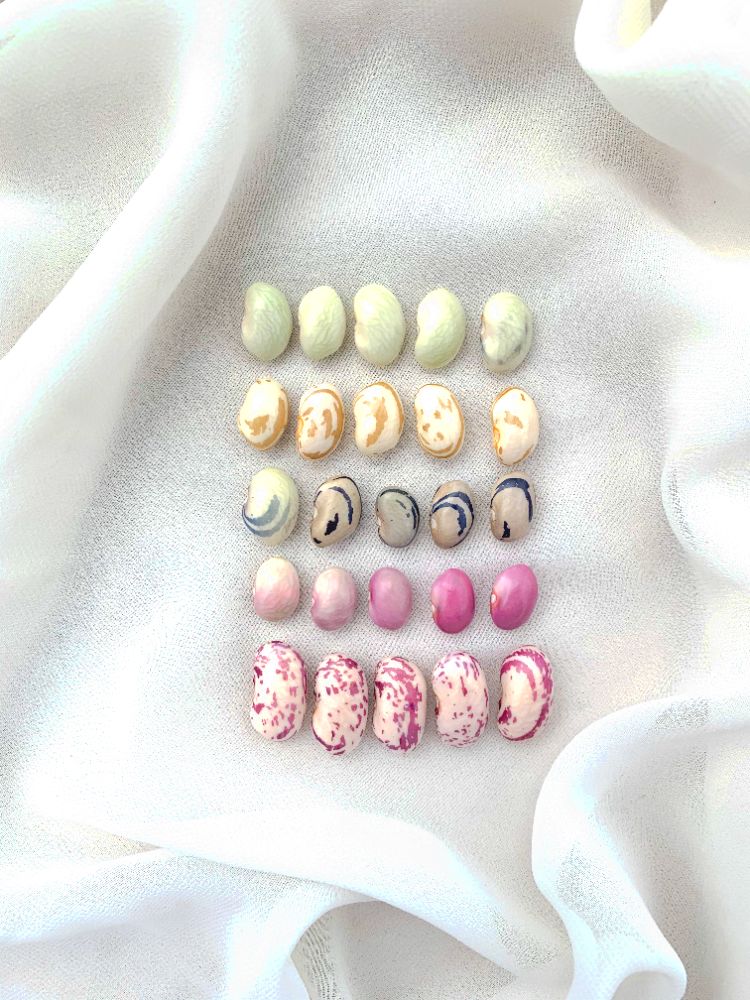
Beans and peas are rich in both protein and fiber. Add them to salads, soups, and stews to increase protein intake.
Nuts and seeds.
In addition to being rich sources of protein, nuts and seeds are also high in fiber and “good” fats. Add them to salads or keep them on hand as snacks.
Tofu and soy products.
Tofu and non-GMO soy are excellent alternatives to red meat, high in protein and low in fat. Try “Meatless Monday”: plant-based protein sources are often cheaper than meat, making them beneficial for both your wallet and your health.
Tips for increasing protein intake
To include more high-quality protein in your diet, try replacing processed carbohydrates with high-quality protein. This can reduce the risk of heart disease and stroke, and you will feel full longer, helping you maintain a healthy weight.
To reduce the amount of processed carbohydrates consumed - from products like baked goods, cakes, pizza, cookies, and chips - replace them with fish, beans, nuts, seeds, peas, chicken, and low-fat dairy products.
Snack on nuts and seeds instead of pastries, replace baked desserts with Greek yogurt, or swap pizza slices for baked chicken breast and a side of beans.
Protein supplements
Protein supplements come in various forms, including powders that you mix with milk or water. The most common types of protein are whey, casein, and soy. Whey and casein are milk-based proteins, while soy is a better choice for vegans or those with dairy allergies.
Drink plenty of water to avoid dehydration, and ensure your diet has enough calcium.
These simple recommendations will help you feel and be healthy!
So, as you can see, protein is much more than a supplement for building muscle mass. It is a vital macronutrient necessary for our development.
If, inspired by new information, you wish to learn more, I recommend seeking help from a specialist who knows everything about proper nutrition and effective training complexes. To schedule a consultation with
Stevan Lonchar
click the link
https://biotonika.com.ua/konsultacija-fitnes-trenera-stevana-lonchar/
or call the number
(068) 9862303
I invite you to my consultation on rejuvenation and health improvement.
To register, call
+380677802213
Order a consultation