
Classic Facial Massage in Kyiv
A classic facial massage at Biotonika is 30 minutes of hands-on work on the facial muscles and skin along the massage lines: stroking, rubbing, kneading and vibration.
It is performed by cosmetologist Larysa Lonchar, who has worked with faces for 23 years and teaches facial massage to other cosmetologists. The session tones the face and is a genuine rest.
- Duration of the procedure: from 30 min.
Sign up for a consultation now and get a 10% discount on your first procedure
Allow yourself to relax and unwind
During the consultation, the cosmetologist:
-
Will select the right massage and the number of necessary sessions;
-
Will answer all your questions;
-
Will provide an estimate of the total cost.
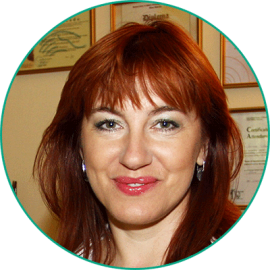
Cosmetologist Larysa Lonchar. Professional experience: 23 years.
What is the cost of classic facial massage?
| Procedure | Duration | Price |
|---|---|---|
| Facial massage | 30 min | 900 UAH |
What is a classic facial massage
A classic facial massage is a manual treatment in which the cosmetologist works along the massage lines, alternating four basic techniques: stroking, rubbing, kneading and vibration. The aim is to restore muscle tone, release tension, boost circulation and let the skin and the nervous system rest. At Biotonika a session takes 30 minutes.
The face, like the body, needs its muscles worked. We see the result of body workouts in the mirror, yet we rarely think of the facial muscles, although they hold the contour and decide how fresh the face looks. A classic massage is the simplest and clearest way to work them with a specialist's hands.
Facial expression is a task of its own. If you have frowned or clenched your jaw for years, the muscles get used to the tension: a crease appears between the brows and over time becomes a deep wrinkle. Massage helps release that tension. That is why it is valued not only for tone but also for deep relaxation: in 30 minutes both the face and the mind get a rest.
How much does a facial massage cost in Kyiv
A classic facial massage at Biotonika costs UAH 900 for 30 minutes. The cosmetologist's consultation is free when you have a procedure, and if you book a consultation, your first procedure is 10 % off. The cost of a course depends on the number of sessions, which is chosen individually.
| Treatment | Duration | Price |
|---|---|---|
| Classic facial massage | 30 min | UAH 900 |
| Spanish facial massage (chiromassage) | 60 min | UAH 1200 |
| Cosmetologist consultation | — | free with any procedure |
If you want longer and deeper work on the face, have a look at Spanish chiromassage. For the body we offer a separate body massage.
Who is a classic facial massage for
A classic facial massage makes sense when the skin lacks tone and fresh colour, the face looks tired or puffy, the contour is losing definition and the facial muscles are constantly tense. It works best for the deformation and tired types of ageing, which Larysa Lonchar describes in a separate article.
Typical reasons to book:
- the face looks tired and dull, with an uneven tone;
- puffiness in the morning, bags under the eyes;
- the contour is "sliding": a double chin, folds on the neck;
- the skin has lost firmness and tone;
- expression lines, crow's feet, a crease between the brows;
- you simply want to rest and relieve stress.
The deformation type of ageing can be seen even in young women: a double chin, folds on the neck and décolleté, heavy eyelids, bags under the eyes. There are no fine wrinkles — the skin is deformed under the weight of the subcutaneous fat layer. Massages, device treatments, bio- and mesotherapy — everything that improves skin tone — are indicated here.
The tired type — the muscles weaken, the soft tissues lose tone, the nasolabial folds become pronounced and the corners of the mouth drop. Toning massages help, together with other treatments the cosmetologist selects. How to find your type — in the article "Skin ageing types: how to identify yours and what to do".
Classic, lymphatic drainage, sculptural, Jacquet: facial massage types compared
Facial massage types differ in pressure and purpose. Classic is universal and gentle: tone, circulation, relaxation. Lymphatic drainage targets puffiness, sculptural and plastic massage work deeply on the muscles and contour, Jacquet addresses skin with congestion. Spanish massage combines depth with relaxation.
| Massage type | Technique and purpose | At Biotonika |
|---|---|---|
| Classic | stroking, rubbing, kneading, vibration along the massage lines; tone, circulation, releasing tension, rest | 30 min, UAH 900 |
| Spanish (chiromassage) | more than 100 kneading techniques with no repeats, 45–60 min; deep muscle work, skin turgor, stress relief | 60 min, UAH 1200 |
| Lymphatic drainage | light rhythmic movements along the lymph flow; puffiness, bags under the eyes | — |
| Sculptural | deep, intensive work on the muscles; shaping the contour, a defined jawline | — |
| Plastic | intensive techniques with firmer pressure; tone of dense skin, contour | — |
| Jacquet | pinching the skin; oily skin, congestion | — |
| Buccal | working the muscles from inside the mouth; cheek muscles and the lower third of the face | — |
A classic massage is a good start if you have never had a facial massage: it is gentle, short and shows how your skin responds to manual work. If the task is deeper, the cosmetologist will suggest a Spanish massage or a combination with other treatments at the consultation.
How a session goes: step by step
A classic facial massage session consists of a consultation, skin cleansing, 30 minutes of massage along the massage lines and finishing care. No special preparation is needed: come without make-up or let the cosmetologist remove it, and tell her about your health and any treatments you have had recently.
- Consultation. The cosmetologist assesses your skin and ageing type, checks contraindications and chooses the massage and the number of sessions.
- Cleansing. Make-up and impurities are removed.
- Massage product. A gliding product chosen for your skin type is applied.
- Massage. Stroking warms the skin, rubbing and kneading work the muscles, vibration finishes each zone. The movements follow the massage lines so the skin is not stretched.
- Finish. A cream is applied after the massage — with the boosted circulation the skin takes it up better.
- Advice. The cosmetologist explains how to keep the result at home and when to come next.
How many sessions you need and how often
Facial massage is a course treatment: one session gives relaxation and a fresh face, while a lasting result comes from regularity. Larysa Lonchar decides how many sessions you need and at what intervals at the consultation, based on your ageing type, muscle tone, skin condition and goal.
What is taken into account when planning a course:
- ageing type — the deformation and tired types need massage more often than others;
- goal — relaxation, puffiness, tone or contour;
- combination — massage can alternate with care treatments such as a facial cleansing or a peel, and the schedule is then planned together;
- home care — facial exercises between sessions maintain tone, so the result lasts longer.
After the course you can move on to maintenance sessions; the cosmetologist will suggest how often.
Contraindications for facial massage
Facial massage is not done with active inflammation and rashes, herpes, wounds and cracks in the skin, couperose, psoriasis, high blood pressure, acute infections or fever. If you have chronic conditions, are pregnant or have recently had injectable treatments, tell the cosmetologist in advance — the decision is made at the consultation.
- inflammation on the face, including allergic rashes;
- herpes;
- broken skin — wounds, cuts, cracks;
- couperose;
- psoriasis;
- high blood pressure;
- acute infections, fever.
After acne, massage is possible only when there is no active inflammation on the skin. If you have breakouts now, start with other care — the cosmetologist will tell you which.
Aftercare and keeping the result between sessions
After the massage you can go straight back to your day — no recovery is needed. Slight pinkness of the skin is a normal reaction to the boosted circulation. To make the effect last longer, facial exercises, good posture and regular home care help between sessions.
Facial exercises. The facial muscles need training just like the body's. Women with lively facial expressions do them unconsciously, while calm, "mask-like" faces need them most:
- 5–7 minutes a day, preferably in the morning; daily if the muscles are slack, otherwise a few times a week;
- before the exercises the skin is cleansed, toned and a cream is applied;
- do the exercises slowly, sitting with a straight back, each one three times in a row.
The exercises improve lymphatic and venous outflow, and the tissues get more oxygen and nutrients — this helps prevent ptosis and a double chin. The set of exercises is in the article "Facial fitness".
Posture and neck. Nutrients and oxygen reach the facial skin with the blood, and the face's blood supply passes through the neck. Muscle tension in the neck and shoulders restricts blood flow, and the result shows in the mirror: a dull complexion, dryness, a double chin. The habit of holding your head high, "like a queen", works for the result between sessions.
Home care. Massage can be combined with care products. For example, Larysa Lonchar describes a facial massage on a hydro-massage powder with vitamin C and hyaluronic acid: it moisturises, evens out the tone and gives the skin a glow. And how lymph is linked to puffiness is explained in the article "Lymph — the living water of our body".
Who performs the massage: Larysa Lonchar
The classic facial massage at Biotonika is performed by cosmetologist Larysa Lonchar, with 23 years of professional experience. She not only works with clients but also teaches facial massage to cosmetologists as a trainer: she runs hands-on seminars on lymphatic drainage and Spanish facial massage.
Biotonika is a European school of beauty in Kyiv, so the massage here is done by the same specialists who teach others. Before the first session Larysa Lonchar holds a consultation: she assesses your skin, ageing type and contraindications, and only then recommends the massage, the number of sessions or another treatment that will do more for your face.
Questions and answers
How much does a classic facial massage cost?
A 30-minute classic facial massage costs UAH 900. The cosmetologist's consultation is free when you have a procedure, and after the consultation your first procedure is 10 % off.
How long does a classic facial massage take?
The massage itself takes 30 minutes. Allow a little more time for the consultation, skin cleansing and the finishing care.
How many sessions do I need and how often?
Facial massage is usually done as a course rather than a single session. Larysa Lonchar sets the number of sessions and the intervals at the consultation, based on your type of skin ageing, muscle tone and goal. You feel the relaxation already during the first session.
How is a classic massage different from a Spanish one?
A classic massage is 30 minutes of basic techniques along the massage lines: stroking, rubbing, kneading, vibration. Spanish chiromassage takes 45–60 minutes and uses more than 100 kneading techniques that never repeat; it is a deeper and longer treatment. Biotonika offers both, and the cosmetologist will suggest which suits you.
Who should not have a facial massage?
Massage is not done with inflammation or rashes on the face (including allergic ones), herpes, wounds, cuts or cracks in the skin, couperose, psoriasis, high blood pressure, acute infections or fever. Tell the cosmetologist about chronic conditions, pregnancy and recent injectable treatments before the session.
Can I have a facial massage if I have acne?
Only when there is no active inflammation on the skin. If you have breakouts right now, the cosmetologist will suggest other care first — a facial cleansing, for example — and you can come back to massage later.
Can massage replace injectable treatments?
No, they are different methods that work differently. Massage works with the muscles, circulation and skin tone and helps break the habit of tensing the face. Whether you need other treatments is decided by the cosmetologist at the consultation.
How can I keep the result at home?
With facial exercises: 5–7 minutes a day, preferably in the morning, on cleansed skin with a cream. The exercises improve lymphatic and venous outflow and help prevent ptosis and a double chin. Regularity is what matters. Posture matters too: tension in the neck reduces the blood supply to the face.
Useful articles

Skin Ageing Types: How to Identify Yours and What to Do
Four types of skin ageing — muscular, fine-wrinkled, deformation and tired: the signs of each and which treatments are recommended for each …

Face Fitness
Women with expressive facial features unconsciously perform facial gymnastics. There are faces of very calm women that resemble a mask. It i…
Lymph - the living water of our body!
The lymphatic system is one of the most complex and intricately designed systems in the human body. It is the system that removes toxins fro…
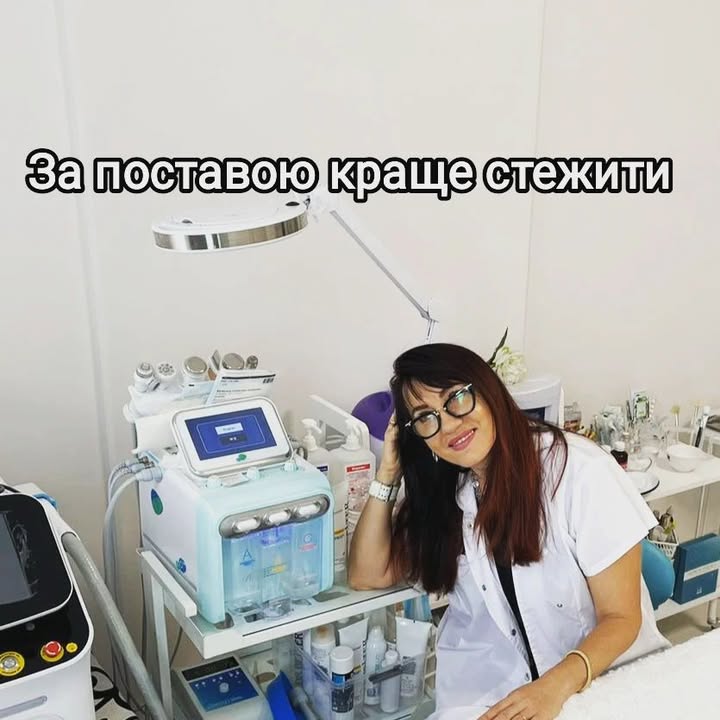
How Posture Affects the Beauty of Your Face
Why facial beauty depends on posture: blood supply through the neck, muscle tension and its effects — a dowager's hump, double chin, dryness…
Face and Eye Masks: An Overview
An overview of masks and treatments: a cleansing clay mask, collagen eye patches, massage with hydro-massage powder and the Bio-Matrix proce…