
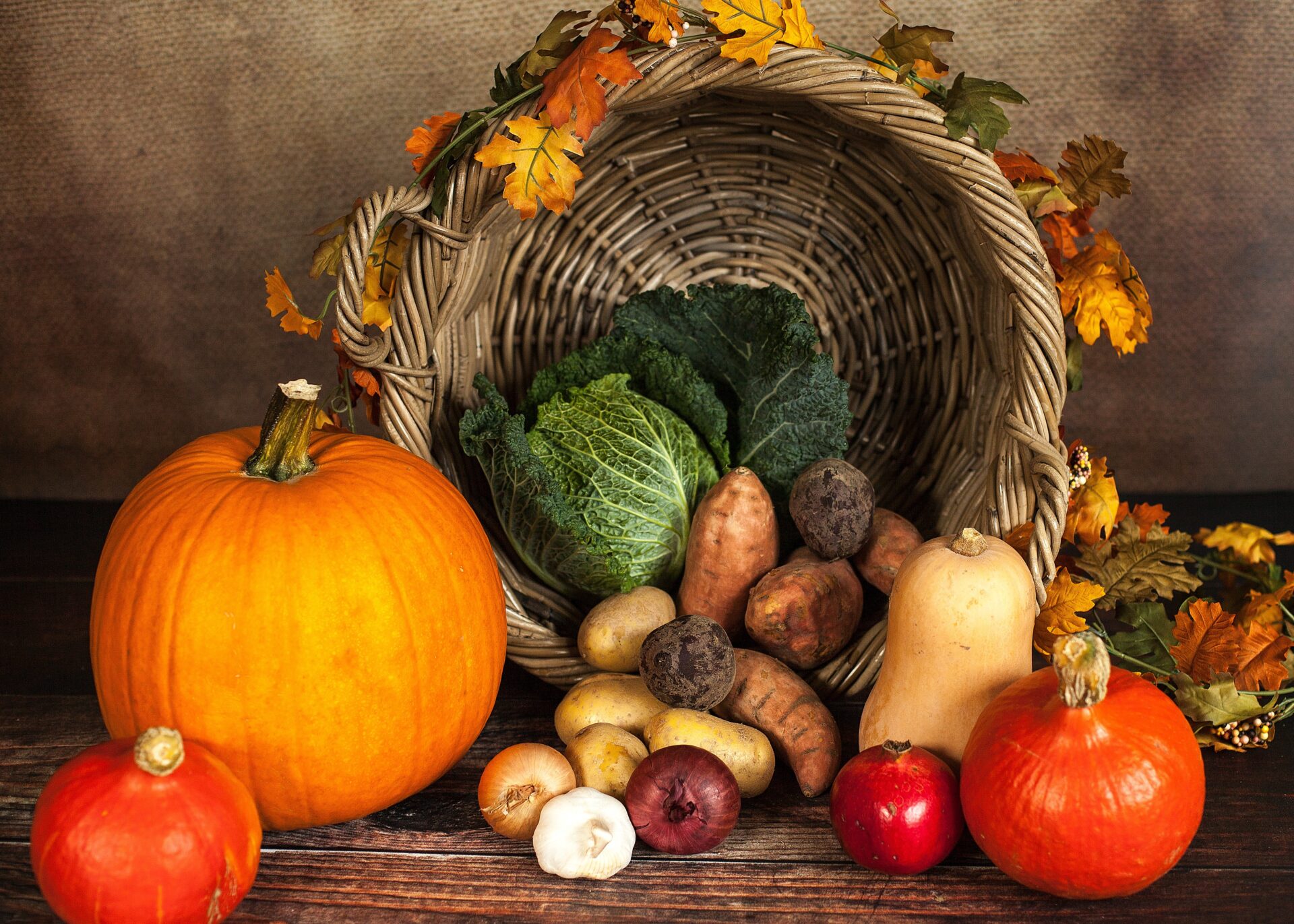
Healing Vegetables
Vegetables are of great importance not only for maintaining human vitality but also as a source of effective and accessible medicinal remedies recognized by traditional and scientific medicine based on centuries of successful application. The nutritional value and healing properties of vegetables are determined by the presence of various specific substances with a wide pharmacological spectrum of action on the human body, which give the dishes, broths, and juices prepared from them a unique taste and aroma. There are about 1500 vegetable and aromatic plants in the world.
Vegetables were among the first progenitors of cultivated flora and were at the origins of agriculture. Cultivating the land and growing vegetable plants has been one of humanity's most important activities since ancient times, especially for women. They not only cultivated the plants but also gathered all valuable information about their medicinal properties. Ancient sources indicate that fresh vegetables have an amazing potential to support and improve the health of the human body, preventing diseases.
"Food should be medicine, and medicine should be food" - Hippocrates
"Food should be medicine, and medicine should be food" - Hippocrates
American and domestic scientists have compiled recipes for various vegetable juice mixtures against a number of diseases. According to them, consuming such juice mixtures for at least a month leads to good results. The recipes specify the weight of vegetables (in grams) needed to prepare a particular mixture. If juicers are used to obtain juice, the amount of juice for daily consumption should be increased. Each juice mixture should be consumed separately.
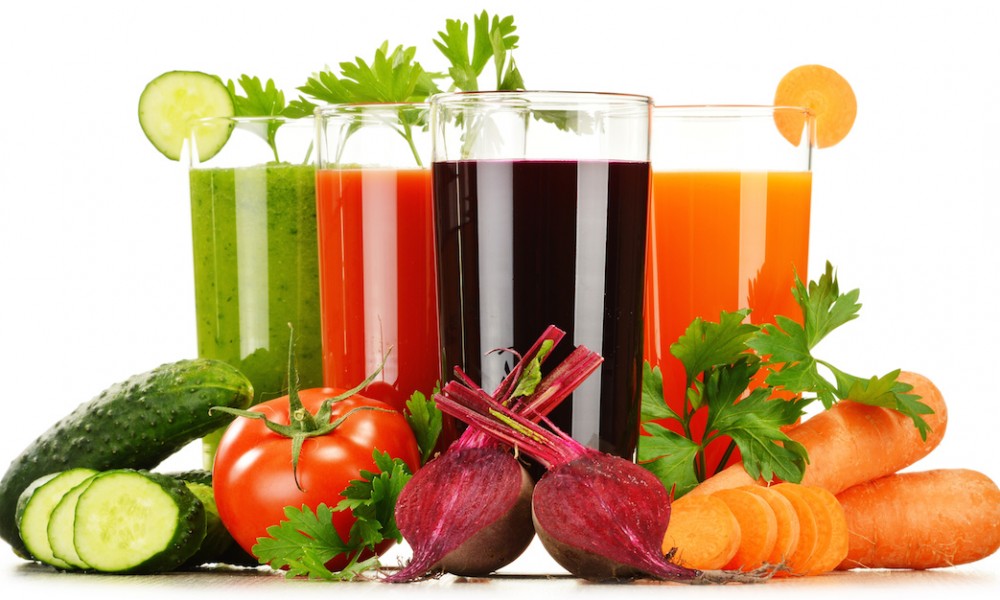
So, let's drink juices and treat diseases!
List of diseases, assortment, and weight of vegetables for juice extraction
Diseases
Allergy
Angina
Atherosclerosis
Arthritis
Asthma
Anemia
Gallbladder disease and stones in it
Bladder disease
Liver disease
Kidney disease
Bronchitis
Varicose veins
Pneumonia
Gastritis
Assortment and weight of vegetables
Carrot 280 g, spinach 190 g
Carrot 280 g, spinach 200 g; carrot 280 g, beet 100 g, cucumber 100 g: carrot 200 g, celery 110 g, parsley 60 g, spinach 90 g
Carrot 280 g, spinach 170 g; Carrot 200 g, celery 110 g, parsley 60 g, spinach 90 g
Carrot 280 g, spinach 170 g; Carrot 260 g, celery 200 g
Carrot 310 g, radish 140 g; Carrot 230 g, celery 140 g, parsley 60 g, radish 90 g
Carrot 370 g, beet (with tops) 90 g; Carrot 310 g, turnip 60 g, dandelion 90 g
Carrot 280 g, beet 90 g, cucumber 90 g; Carrot 260 g, celery 140 g;
Carrot 280 g, spinach 170 g; Carrot 280 g, beet 90 g, cucumber 90 g
Carrot 310 g, beet 90 g; Carrot 260 g, celery 140 g; Carrot 280 g, spinach 170 g
Carrot 340 g, parsley 110 g; Carrot 310 g, beet 90 g; Carrot 260 g, celery 140 g
Carrot 260 g, celery 200 g; Carrot 340 g, dandelion 110 g; Carrot 310 g, radish 140 g; Carrot 230 g, celery 140 g, radish 90 g
Carrot 200 g, celery 110 g, parsley 60 g, spinach 90 g; Carrot 230 g, spinach 110 g, turnip 60 g, watercress 60 g
Carrot 230 g, celery 140 g, radish 90 g; Carrot 280 g, beet 90 g, cucumber 90 g
Carrot 280 g, beet 90 g, cucumber 90 g; Carrot 280 g, spinach 170
Vitamin Alphabet
The importance of vitamins cannot be overstated. Disruption of the body's vital functions due to vitamin deficiency causes serious diseases. When it comes to natural, organic products, the simplest and most accessible source of vitamins is vegetables in their fresh and processed forms. Let's outline the characteristics of the vitamins necessary for humans that are found in vegetables and other food products.
Provitamin A (carotene).
Daily requirement 4-5 mg. Absorbed when used with fats. A deficiency of carotene slows down the growth of the body, reduces its resistance to colds and infectious diseases, causes eye diseases ("night blindness", xerophthalmia), worsens protein and fat metabolism in the body, disrupts sexual function, alters the natural state of the skin and mucous membranes of the oral cavity, and increases hair loss.
Sources of vitamin: carrot, tomatoes, pepper, pumpkin, melon, watermelon, lettuce, cabbage, radish, parsley, dill, fennel, onion, sorrel, rhubarb, as well as rosehip, sea buckthorn, mountain ash, apricots, mandarins.
Vitamin B1 (thiamine). Daily dose 2-3 mg. A deficiency of this vitamin disrupts the nervous system, causes neuroses, neurasthenia, increases mental fatigue, muscle weakness, disrupts growth processes, protein and carbohydrate metabolism, heart function, causes leg swelling, shortness of breath, and worsens appetite.
Sources of vitamin: cabbage, beet, carrot, parsley, radish, turnip, celery, parsnip, bulb onion, green onion, garlic, pepper, lettuce, dill, rhubarb, vegetable peas and beans, as well as bread, yeast, oatmeal, buckwheat, wheat and barley porridge, liver, meat.
Vitamin B2 (riboflavin). Daily requirement 2-3 mg. A deficiency or absence of this vitamin causes disorders of the nervous system, disrupts protein formation, fat metabolism, utilization of sugars and amino acids, slows down the growth of children, reduces the body's energy supply. Fatigue and eye diseases, anemia, slow wound healing, increased hair loss, and slowed elimination of carcinogenic substances from the body are observed.
Sources of vitamin: cabbage, pumpkin, tomatoes, parsley, celery, lettuce, green onion, potatoes, as well as sea buckthorn, rosehip, black currant, mountain ash, soybean oil, liver.
Vitamin P (P-active polyphenols). Daily norm 100 mg. A deficiency of vitamin causes fragility of blood capillaries, subcutaneous, pulmonary, nasal, and gastric hemorrhages, disrupts thyroid gland activity, and may lead to hypertension.
Sources of vitamin: cabbage, beet, carrot, tomatoes, dill, potatoes, as well as green tea, fruits, and berries.
Vitamin PP (nicotinic acid). Daily norm 15-25 mg. A deficiency of this vitamin causes disorders of the nervous system - irritability, depressed mood, insomnia, headache, dizziness; weakness, fatigue of the body, gastrointestinal disorders, lesions of the oral mucosa, increased cholesterol levels in the blood, and decreased blood pressure.
Sources of vitamin: cabbage, carrot, beet, parsley, parsnip, radish, bulb onion, garlic, vegetable peas, tomatoes, dill, lettuce, potatoes, as well as gray wheat bread, buckwheat porridge, meat, fish, mushrooms, yeast.
Vitamin U (S-methylmethionine). Daily norm about 250 mg. Prevents the development of gastritis, stomach ulcers, slows down the development of atherosclerosis, accelerates wound healing.
Sources of vitamin: cabbage, parsley, tomatoes, asparagus, bananas.