
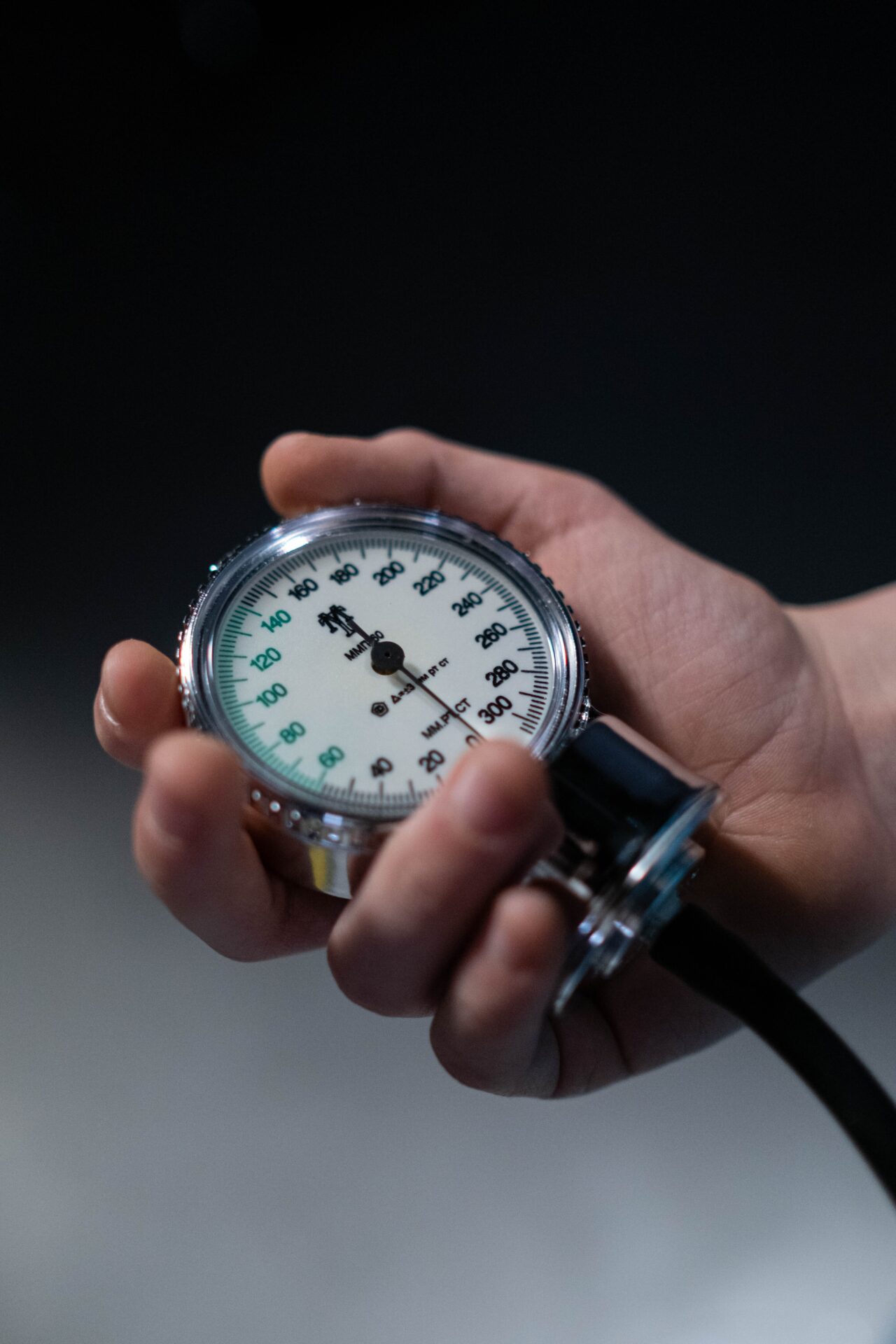
Blood Pressure
Blood pressure is the pressure with which blood pushes against the walls of blood vessels. It largely depends on two factors: the force or pressure with which our heart pumps blood into the arteries, and the elasticity and diameter of the vessels.
When measuring blood pressure, two parameters are checked: first, the maximum pressure during heart contraction or cardiac output (systolic), and second, the lower pressure during the heart's filling phase (diastolic). Normal blood pressure is considered to be 120/80 mmHg.
When measuring blood pressure, two parameters are checked: first, the maximum pressure during heart contraction or cardiac output (systolic), and second, the lower pressure during the heart's filling phase (diastolic).
Normal blood pressure is considered to be 120/80 mmHg.
When does blood pressure become elevated?
As simple as this question sounds, it is equally difficult to answer definitively. It should be noted that both the threshold that separates normal blood pressure from elevated and the therapeutic norms are currently lower than they were two years ago. It is also clear that the individual decision regarding the treatment of hypertension depends not only on the results of blood pressure measurements but also on the patient's health condition.
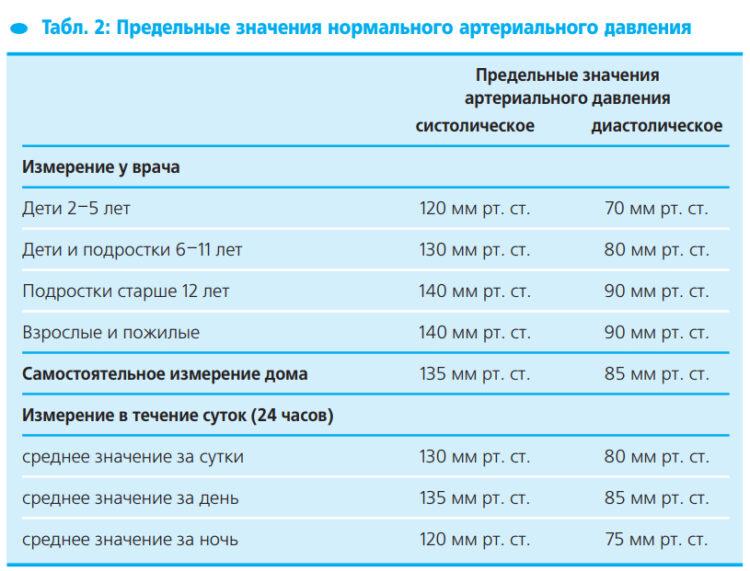
Today, "manifestations of hypertension," as doctors refer to elevated blood pressure, are defined as follows: systolic blood pressure - from 140 mmHg and above, while diastolic blood pressure - from 90 mmHg and above, or one of the two indicators is above normal. It is assumed that the measurements are taken multiple times, on different days, under normal conditions, in a physically and mentally calm state.
Maximum indicators of normal blood pressure
So, what risk factors should be remembered with elevated blood pressure?
-
age - blood pressure begins to rise between the ages of 25 and 40 and tends to increase with age.
-
race - African Americans are more prone to elevated blood pressure than people of other races.
-
family history of heart disease and hypertension
-
individuals in a state of chronic stress - prolonged release of stress hormones can elevate blood pressure.
-
unbalanced diet, containing more processed foods, more sodium, saturated and trans fats.
-
other health conditions, such as kidney disease, diabetes, and heart disease - all are associated with an increased risk of hypertension.
It is almost always possible to lower blood pressure with medication. However, there are many ways to lower blood pressure without prescription medications.
Recommendations - first and foremost, focus on lifestyle changes and take medication only when necessary.
Blood pressure medications have their side effects, so it is always worth working on diet, exercise, and stress management first.
Here are some lifestyle changes to consider today to lower blood pressure naturally.
- Focus on a plant-based diet.
Research on dietary approaches to combat hypertension (DASH) shows that consuming at least 9 servings of fruits and vegetables daily can lower blood pressure approximately as much as medication.
Fruits and vegetables are high in potassium, which helps balance sodium in your cells, lowering pressure in blood vessels and reducing the risk of stroke. Try to include at least one serving of fruit or vegetable (or both) in every snack and include about ½ plate of fruits and vegetables in all meals.
It is also worth limiting the intake of nitrates and nitrate-rich vegetables (not to be confused with other types of nitrates and nitrites found in processed meats). Nitrates and nitrites from vegetables help relax and widen blood vessels throughout the body and increase blood flow.
While this is a short-term effect, consuming more nitrate-rich vegetables, such as beets, cabbage, leafy greens, and vegetable juices, can lower blood pressure for several hours.
Recent studies have also shown that those who drank beet juice experienced an immediate reduction in blood pressure. By consistently consuming plant-based foods, you will see its regular benefits.
- Consume omega-3s
Omega-3 fats found in fish can reduce inflammation and lower blood pressure, decreasing the risk of heart disease, stroke, and other inflammation-related conditions.
Consider taking 3000 mg of omega-3 fish oil daily, especially if you do not eat fatty fish like salmon or mackerel twice a week.
- Limit sodium intake while increasing potassium intake
If you are over 50 or belong to a high-risk group, aim for no more than 1500 mg per day. Check food labels for sodium content. If you see that one serving of a product contains more than 400-500 mg, look for a low-sodium option.
- Exercise regularly
Move a little every day, the standard recommendation is 30-60 minutes a day, 3-5 times a week. A few times a week, get your heart rate up moderately.
Try to make your day more active, walk more, choose stairs instead of elevators, and spend weekends actively.
- Get enough sleep
It goes without saying that when you sleep poorly, you feel poorly, and your body simply does not function well. In fact, studies over decades have shown a strong link between insomnia and hypertension.
Reassessing your daytime decisions or nighttime routines before bed can help you find what works best for you for a good night's rest.