
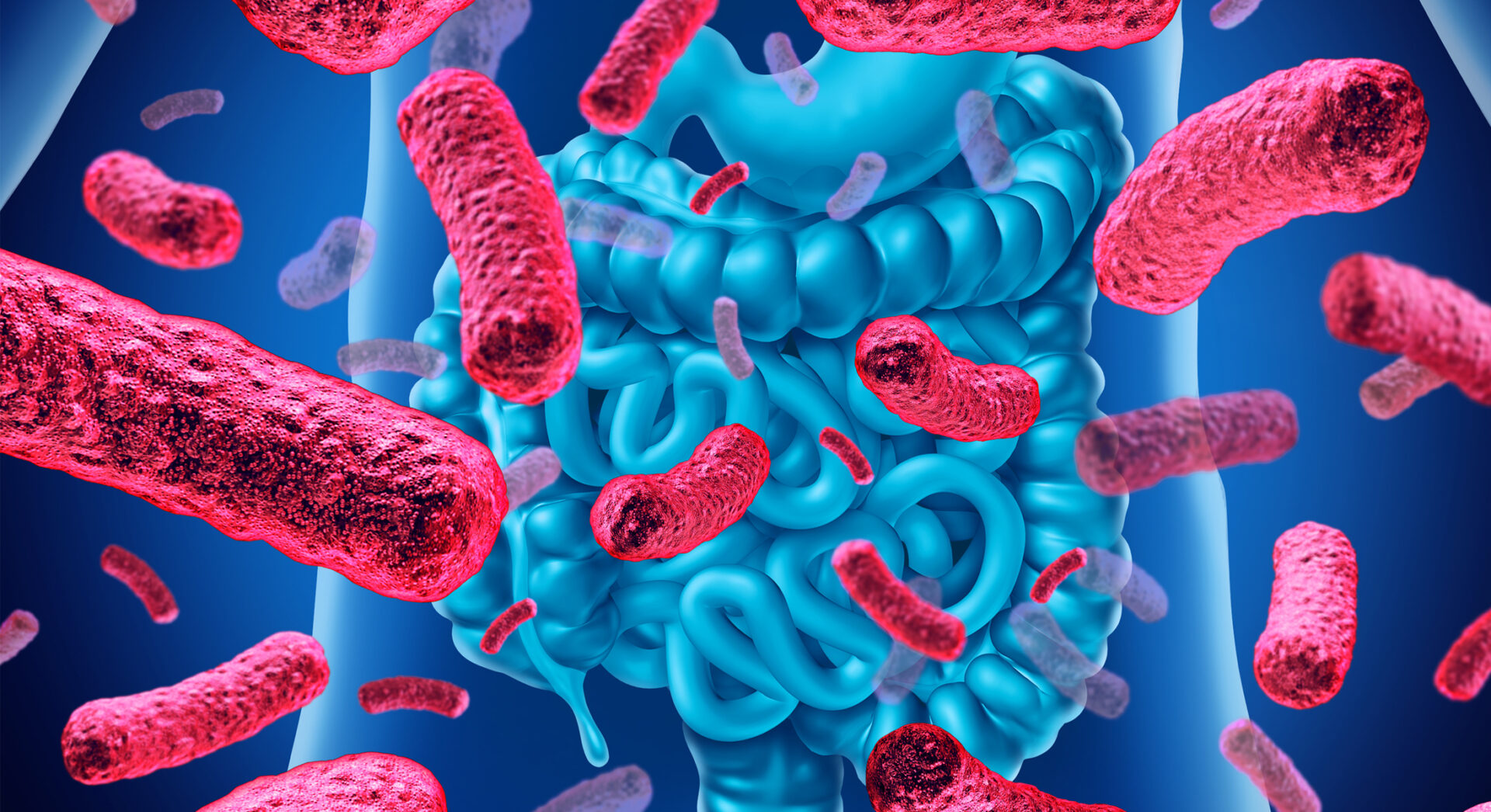
The skin is the largest organ of the human body and, as such, is an indicator of the overall health and well-being of individuals. Probiotics are live bacteria and yeasts that are beneficial for health, especially for the digestive system. Bacteria are often considered something that causes disease. However, the body is full of bacteria, both good and bad. Probiotics are often referred to as "good" or "beneficial" bacteria because they help maintain gut health. They contribute to the overall condition of the body, including skin health.
Moreover, probiotics have clear benefits for skin diseases. It has already been proven that probiotics play an important role in skin health, for example, restoring atopic dermatitis, promoting the healing of scars and burns, rejuvenating the skin, and strengthening the skin's innate immunity. For those suffering from acne and having an unhealthy gut, taking probiotics, especially Lactobacillus acidophilus and Saccharomyces cerevisiae yeast, often helps to get rid of pimples.
It has been shown that even eczema and psoriasis, which have received wide recognition from the medical community, improve with the help of probiotics. Eczema is a condition in which the skin becomes itchy, red, dry, and cracked. For most people, it is a long-term or chronic condition, although it may improve over time, especially in children. It has been proven that after taking probiotics, the likelihood of developing eczema in infants decreases. Probiotics have also been shown to improve eczema symptoms in patients suffering from this condition. Psoriasis is another inflammatory skin disease where oral probiotics have proven effective.
If these disorders can be corrected with probiotics, is it difficult to suggest that these benefits may extend to aging skin as well? Gut bacteria strengthen the human immune system. Having a strong immune system benefits all organs of the body, including the skin. There are about 100 million microbes (bacteria, fungi, and viruses) that live in the human body. The more bacteria in the body, the slower the skin aging process occurs.
Currently, scientists are investigating whether these interactions can reduce skin inflammation, such as rosacea (rosy acne), and promote collagen production. Experts are also studying whether topical products containing probiotics are more effective for skin health than oral probiotics. Scientists have concluded that probiotics can benefit the skin not only through the digestive tract but also by using creams or lotions containing them.
Wrinkle Prevention
Beneficial bacteria in the gut can help eliminate toxins and free radicals that can harm the skin and cause early signs of aging. Introducing probiotics not only flushes toxins from the body but also eliminates damage caused by free radicals.
Strengthening the Skin Barrier
Probiotics have been shown to enhance the barrier function of the skin. The skin acts as a physical barrier, protecting internal organs and preventing pathogens and other toxins from multiplying. In the human gut, there is not only microflora but also a skin microbiome with friendly microorganisms for protection. The skin microbiome has been shown to protect against harmful bacteria, pollutants, and free radicals that can accelerate aging.
Moisturizing Effect
Probiotics help the skin retain moisture. Well-hydrated skin makes wrinkles less noticeable. As mentioned above, it has been found that a skin cream containing thermophilic streptococci increases the moisture of aging women's skin.
Sun Protection
Probiotics may help protect the skin from harmful ultraviolet rays that can cause premature skin aging and the appearance of wrinkles. Not much research has been conducted in this area, but what has been found is quite promising.
Rosacea (Rosy Acne)
There is no definitive medical consensus on what causes this condition, but it can become quite noticeable and cause suffering to the person affected by it. It usually appears between the ages of 30 and 60 and is much more common in women than in men. Eventually, it can even affect the shape of the nose, causing it to become swollen and uneven.
Studies have shown that probiotics applied directly to the skin and taken orally can improve and prevent the appearance of acne.
Another line of evidence suggesting a connection between the gut and skin is that probiotics improve skin condition. Oral probiotics have been shown to reduce lipopolysaccharides, improve gut barrier function, and reduce inflammation.
The beneficial effects of probiotics on the skin may explain why pasteurized non-fermented dairy products cause acne, while fermented ones do not. Oral probiotics reduce systemic markers of inflammation and oxidative stress, both of which are locally elevated in people with acne. Oral probiotics may also regulate the release of pro-inflammatory cytokines in the skin.