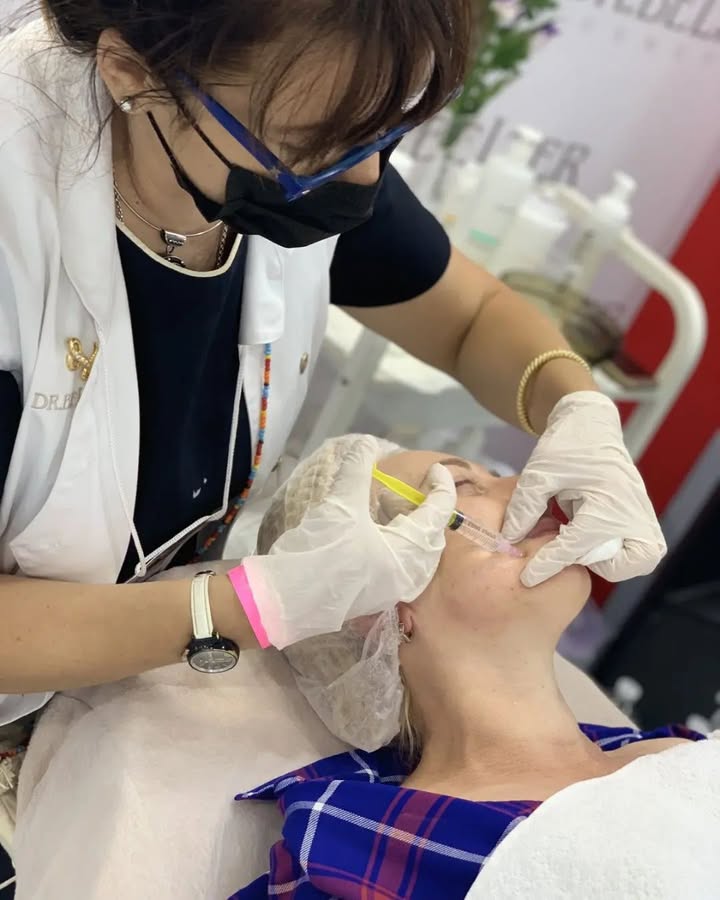

There are four types of skin ageing: muscular, fine-wrinkled, deformation and tired. Each has its own signs and needs its own care — from moisturising treatments to massages, device-based techniques and hyaluronic acid injections. The first signs of ageing usually appear at 35–40, but because of stress, the environment and the war they can be seen even at 25.
What mature skin is
Skin is considered mature when the first signs of ageing have appeared on it: increased dryness, reduced firmness and elasticity, expression lines and deep wrinkles, pigment spots, visible capillaries, bags under the eyes.
Everything is very individual, but this usually happens at around 35–40, and in wartime even earlier. Anti-ageing ingredients are recommended no earlier than at 35. At the same time, the environment and stress strongly affect how we look, so signs of ageing can be noticed even at 25.
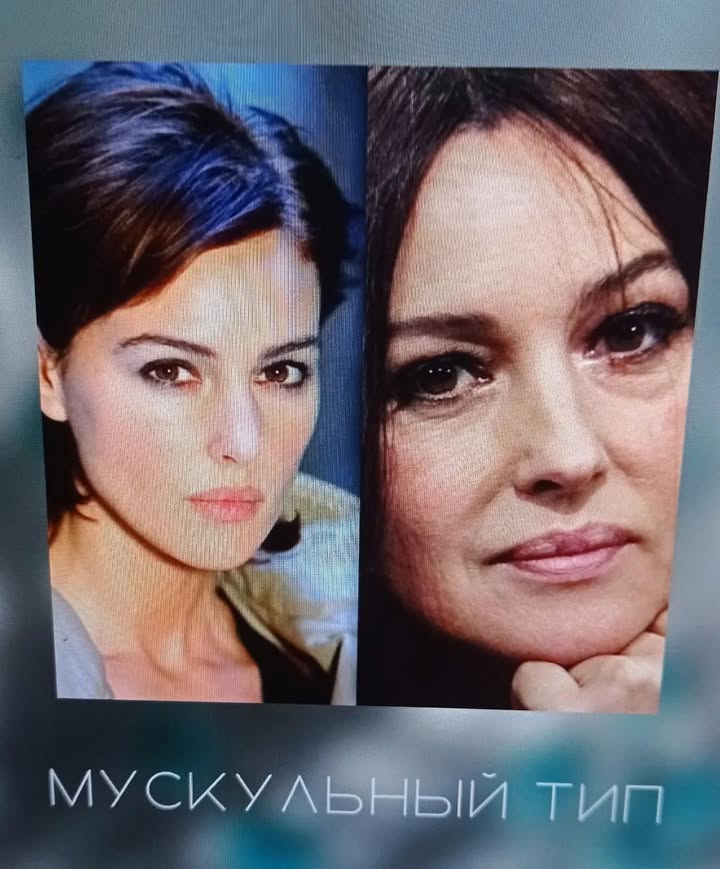
1. Muscular type
Found in Asian women. The facial muscles are very developed, so the shape of the face does not change noticeably even after 50, but over time the face becomes more square. Ageing sets in much later than with the other types, and there are practically no fine wrinkles. However, creases appear, the eyelids and the corners of the mouth droop, the nasolabial folds become pronounced, and pigmentation appears.
What to do: for this type, I recommend moisturising treatments.
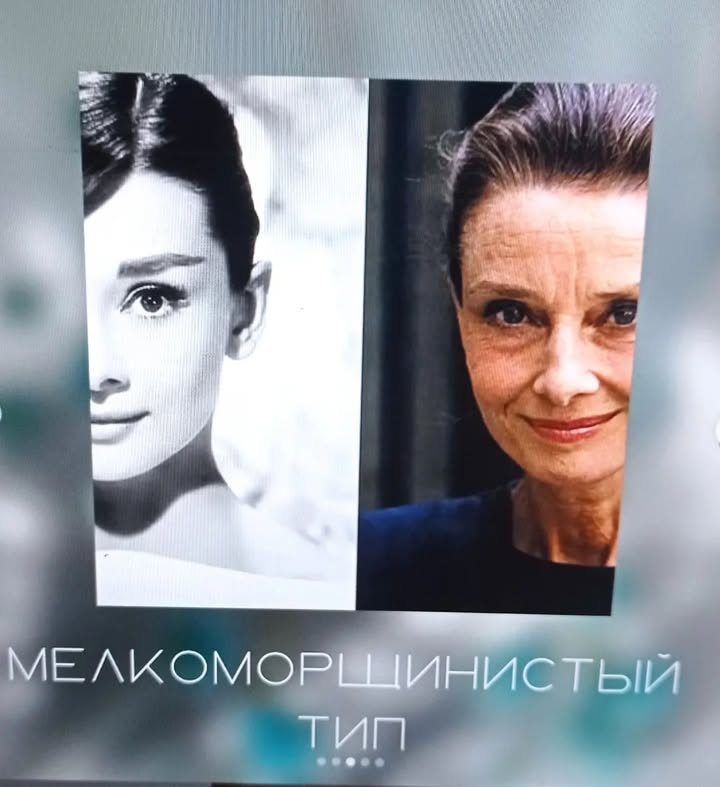
2. Fine-wrinkled type
The skin is dehydrated, thinned and stretched, fine wrinkles appear, and turgor is impaired.
What to do: intensive hydration is recommended — mesotherapy, biorevitalisation, superficial peels.
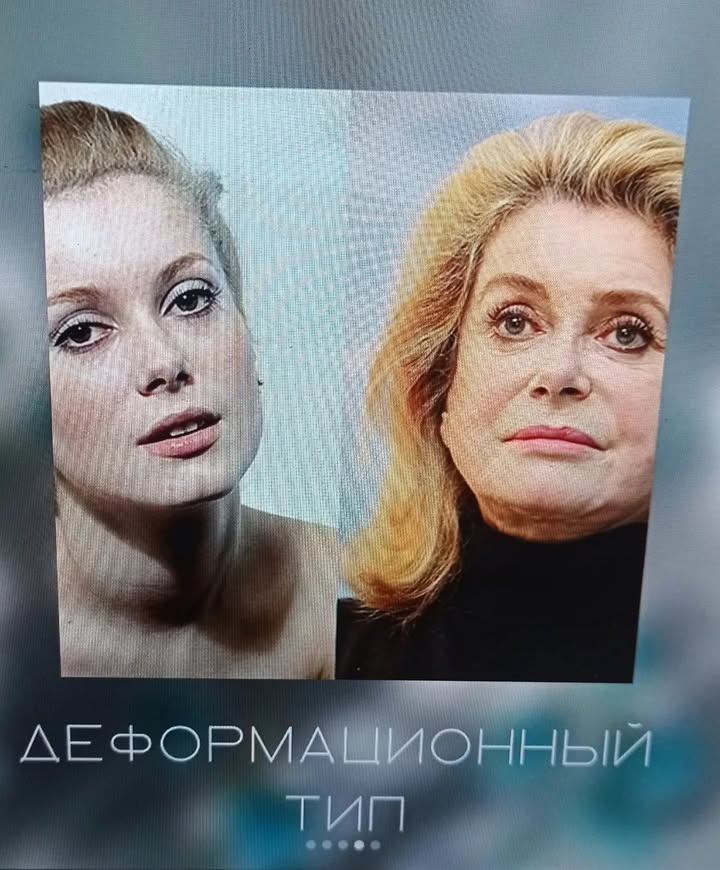
3. Deformation type
It can be seen even in young women: folds on the neck and décolleté, a double chin, heavy eyelids, bags under the eyes. There are no fine wrinkles; the skin is deformed by the weight of the subcutaneous fat layer.
What to do: massages, device-based techniques, bio- and mesotherapy and other techniques that improve skin tone are recommended.
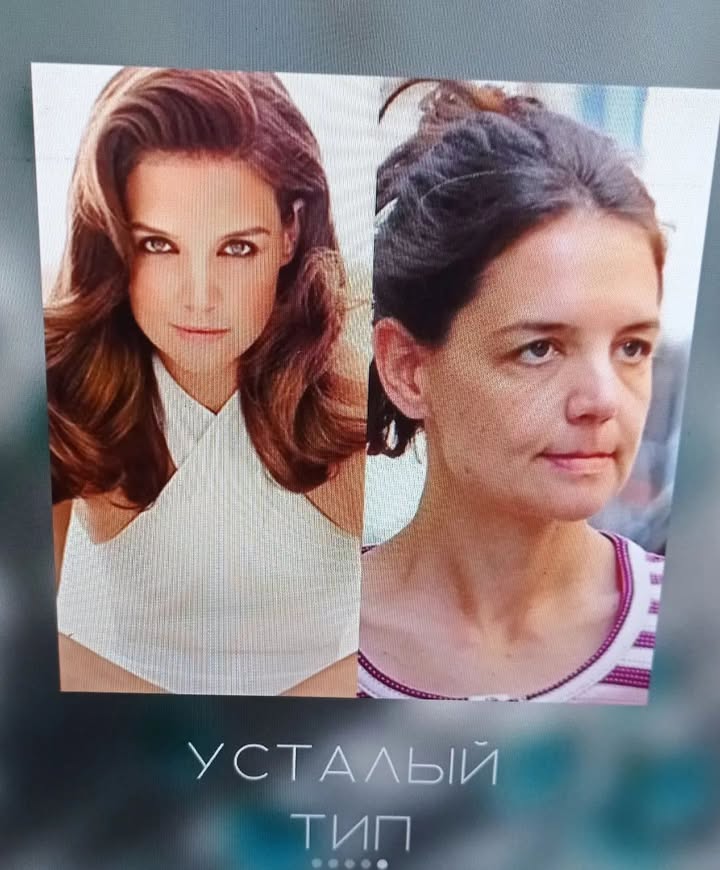
4. Tired type
The muscles weaken, the soft tissues lose tone, the nasolabial folds become clearly defined and the corners of the mouth droop — these changes give the face a tired look.
What to do: hyaluronic acid injections, plasma therapy, toning massages and non-aggressive peels combined with antioxidants and vitamins are recommended.
Comparison table
| Ageing type | Main signs | What is recommended |
|---|---|---|
| Muscular | the face shape stays the same for a long time, creases, drooping eyelids and corners of the mouth, pigmentation | moisturising treatments |
| Fine-wrinkled | dehydrated thin skin, fine wrinkles, impaired turgor | mesotherapy, biorevitalisation, superficial peels |
| Deformation | double chin, folds on the neck, heavy eyelids, bags under the eyes | massages, device-based techniques, bio- and mesotherapy |
| Tired | loss of tone, nasolabial folds, drooping corners of the mouth | hyaluronic acid injections, plasma therapy, massages, non-aggressive peels with antioxidants |
Start taking care of your skin right now. Care can also be chosen remotely, even if you are not in Ukraine at the moment.
First published on the Biotonika school Facebook page on 13.09.2023.
Questions and answers
What skin is considered mature?
Skin on which the first signs of ageing have appeared: increased dryness, reduced firmness and elasticity, expression lines and deep wrinkles, pigment spots, visible capillaries, bags under the eyes.
At what age should I start using anti-ageing products?
Anti-ageing ingredients are recommended no earlier than at 35.
How many types of skin ageing are there?
Four: muscular, fine-wrinkled, deformation and tired.