
School expert
Larysa Lonchar
Bioregulatory cosmetologist, teacher at the Biotonika school
Larysa Lonchar is a cosmetologist and an advocate of biological aesthetic medicine, a teacher at the Biotonika school of cosmetology and the author of the Biotonika rejuvenation method. She has more than 20 years of experience in biocosmetology. Clients and students also know her as Lora Lonchar.
Education
Larysa studied homotoxicology at the Ukrainian Academy of Biological Medicine and at the Italian company GUNA. In her words, this training did not just broaden her knowledge and give her new experience — it shaped a different view of familiar things, including classical medicine, which is based on suppressing the symptom. Since then, the new philosophy in cosmetology has become her philosophy of life, and she has taken the position of an advocate of biological aesthetic medicine.
Approach
- A comprehensive, holistic approach. Any "external" problem — skin ageing, pigmentation disorders, cellulite — first of all points to a disruption in the work of the internal organs and an imbalance of the whole body.
- Beauty as a result of health. "I am not a make-up artist, I am a cosmetologist": besides beauty and youth, Larysa works on strengthening health, on which the condition of the skin directly depends. Her principle is to rejuvenate wisely, so that beauty is the result of better health.
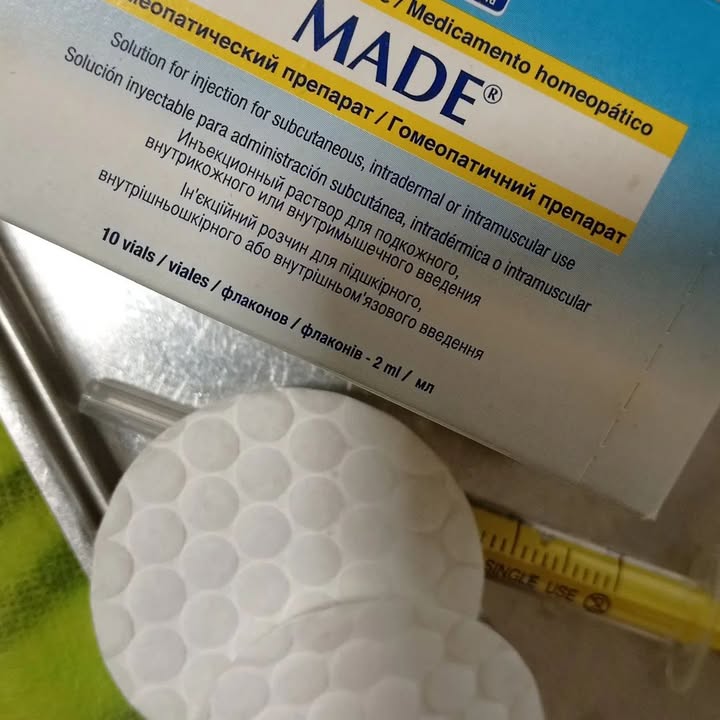
- Bioregulatory medicine. The goal is to bring the body to its optimal mode of work with the help of the emotional balance technique and bioregulatory medicines. Among her favourites are Heel products.
- Teaching the client. Larysa teaches clients to reduce the toxic load on the body and to rationalise their diet, physical activity and biorhythms.
- Individual plans. In cosmetology, as in medicine, there are no universal procedures: for every skin type and state of the body, a separate programme is drawn up using the author's Biotonika method.
Consultation
At the first meeting, Larysa gathers as much information as possible: about the client's health and the specifics of their body, their habits and pace of life, the nature of their work, previous procedures and how the skin reacted to them, home care, and what the client expects from the meeting.

The author's method
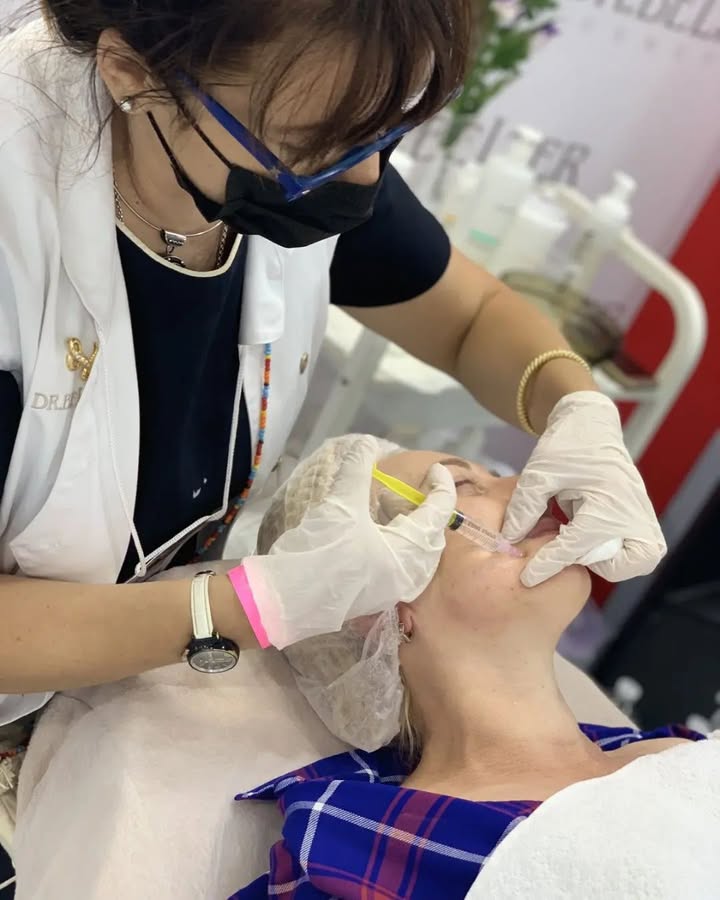
Biopuncture and the emotional balance technique are parts of Larysa's own rejuvenation method. She teaches her clients the "secret of the rejuvenating apples" — so that they become younger, healthier and more beautiful: "A healthy body has beautiful skin." She teaches simply and clearly, including those who now live abroad.
Teaching
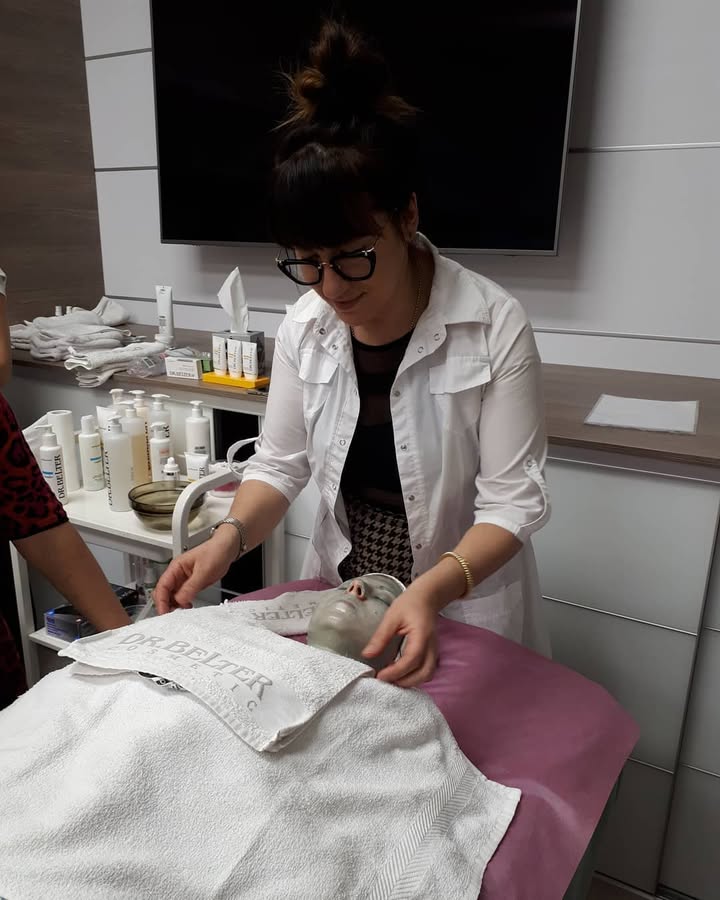
Together with her colleague Vitaliia Shevchenko, Larysa trains cosmetologists at the Biotonika school; when the war separated the teachers, the training moved online.
Articles by this expert
Habits That Steal Your Youth: A Cosmetologist's Guide
Bad habits that steal your youth: gadgets, too little water, working lying down, overactive facial expressions, crossed legs, poor gait. How…

Why Skin Gets Clogged and Why Regular Facials Matter
Toxins, oil, dust and sweat: how they clog the sebaceous glands, why skin must stay clean, and how regular facials and home care keep it hea…
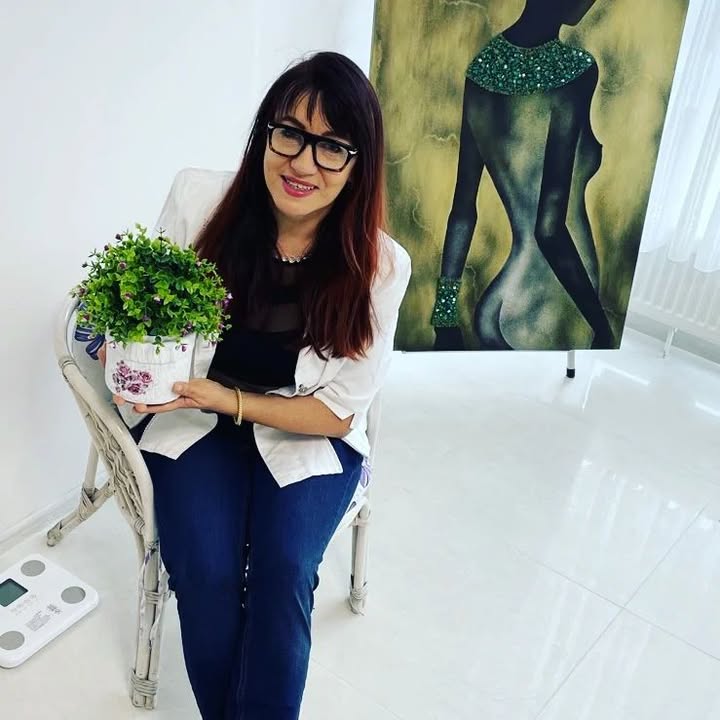
Can You Change Your Skin Type?
Your skin type is set by genetics and cannot be changed. But oily shine, pores, dryness, couperose and sensitivity are conditions that care …

Skin Glycation: How Sugar Speeds Up Ageing
What glycation is: how protein and sugar form advanced glycation end products (AGEs), why collagen stiffens and which minor signs should ale…
Ultrasonic Skin Scrubber: Myths and Reality
What an ultrasonic scrubber is for in a cosmetologist's room: what it really does — follow-up cleansing and phonophoresis — and what is a ma…
Lipolytic Injections: Treatment Areas and Results
Lipolytics break down fat and contour the face, belly, legs, thighs and back. How many sessions the face needs and why your lifestyle matter…

10 Tanning Rules: How to Protect Your Skin from the Sun
10 essential rules for sun lovers: sun protection for face and body, protecting children, retinol and acids, and skin recovery after sun exp…
Facial Peels: Enzyme, Dermo Peeling, SesDerma
An overview of in-clinic and home peels: Intensa enzyme cream peel, the Dermo Peeling procedure by Mary Corn and the professional SesDerma M…
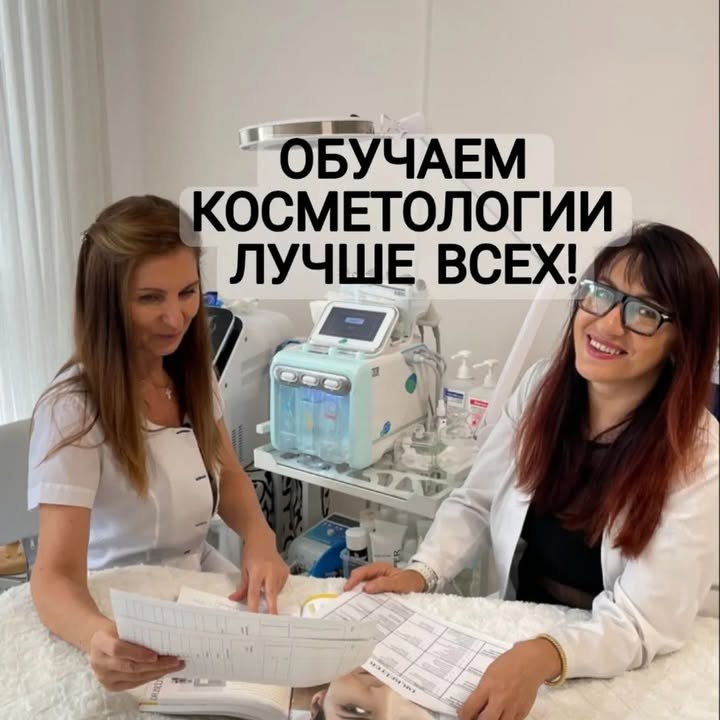
Learn Cosmetology from Scratch Online, with a Diploma
A cosmetology career for those living abroad: learn from scratch online at Biotonika, an international diploma and teachers with 25 years of…

How to Apply Sunscreen Correctly
When you need sun protection, how to use the UV index, how much cream to apply and how often to reapply, and what SPF and PA/PPD mean on the…

Ultrasonic Facial Cleansing: What Are the Benefits?
Ultrasonic facial cleansing is a quick, non-traumatic device technique. What happens during the cleansing and why it is done before other tr…

Skin Ageing Types: How to Identify Yours and What to Do
Four types of skin ageing — muscular, fine-wrinkled, deformation and tired: the signs of each and which treatments are recommended for each …

Dry vs Dehydrated Skin: What's the Difference?
Cream doesn't stop the tightness and your eyes feel dry? Dry vs dehydrated skin: a genetic skin type versus a temporary condition and lack o…
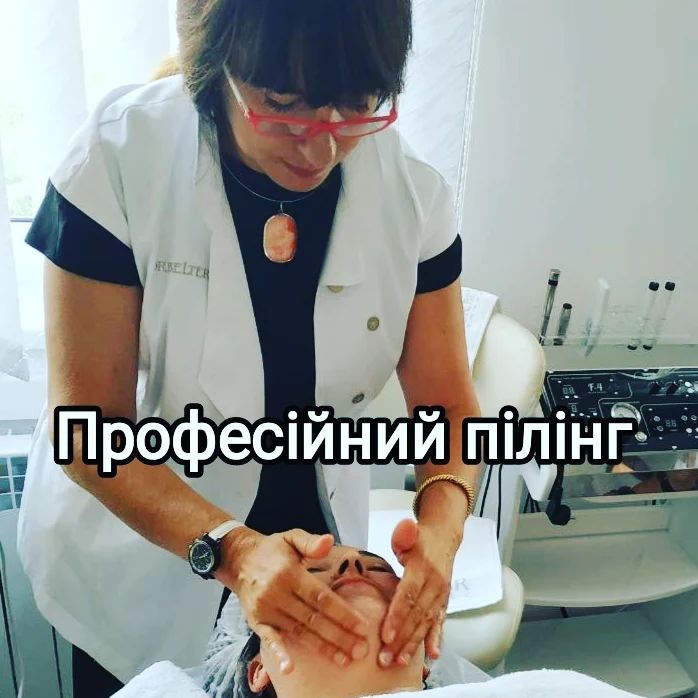
Professional Peels in Autumn: How Often to Have One
Do you need a peel in autumn, how often to have one and how many in a course. Pre-peel prep, home care and why you shouldn't choose a peel y…

Facial Mesotherapy: What Are the Benefits?
Facial mesotherapy for a dull complexion, lost tone, wrinkles and pigmentation: how the cocktail works, its effects and how they show on the…
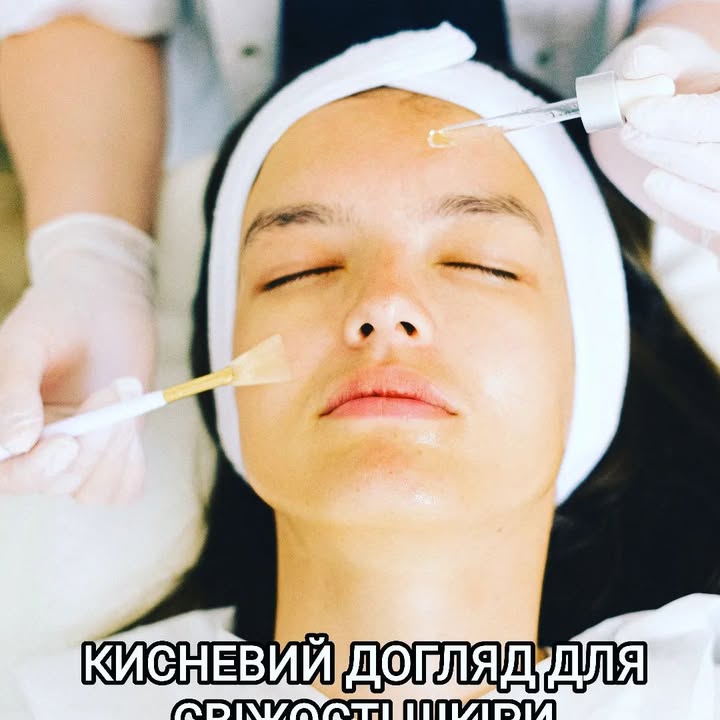
Facial Carboxytherapy: Results and Course of Treatment
CO2 carboxytherapy is an oxygen facial without injections: who it suits, what it does for wrinkles, pores and pigmentation, and how many ses…

Lip Filler: How Many ml and How Often?
How much filler lips need the first time, whether allergies happen, how often to redo it and how hyaluronidase removes filler — a cosmetolog…

Botox vs Dysport: What's the Difference?
Botox and Dysport are both botulinum toxin type A products. How they differ: manufacturer, dosage, excipients and why to alternate them.…