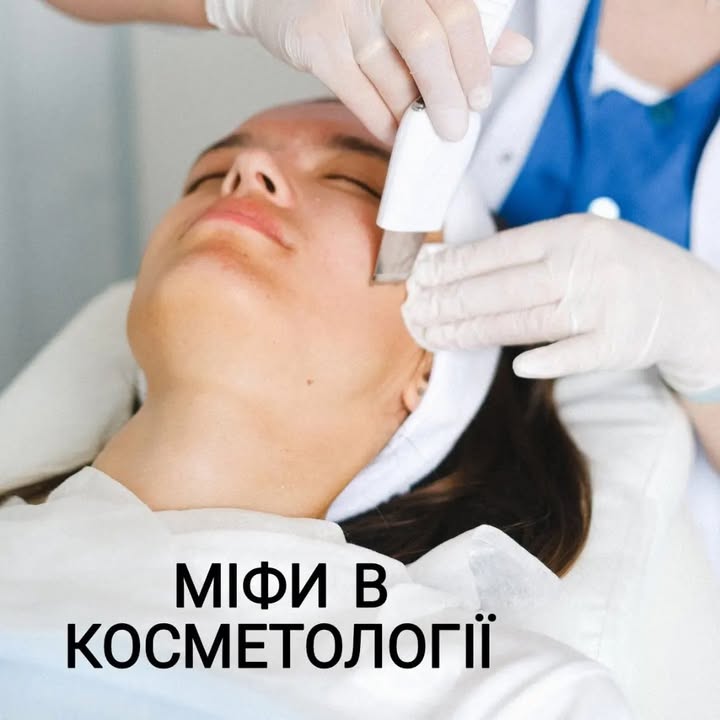
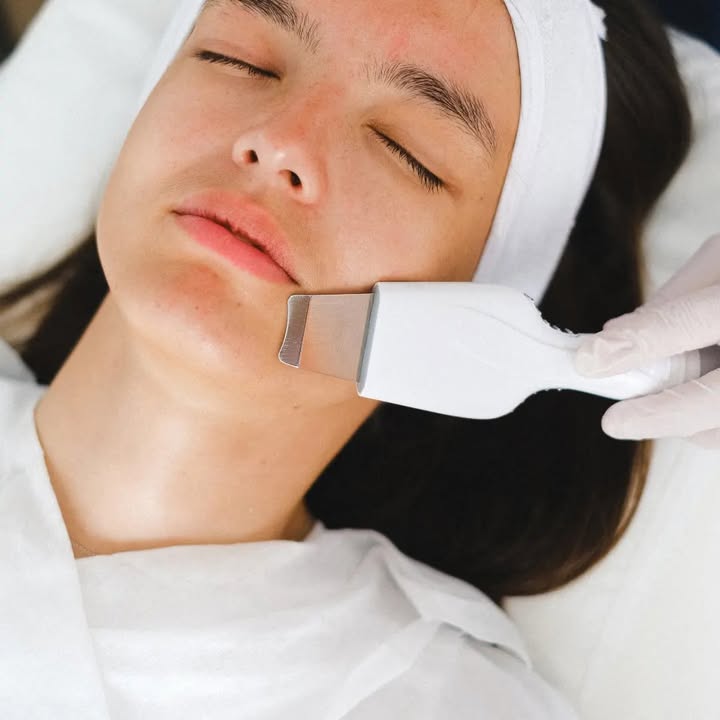
An ultrasonic scrubber in a cosmetologist's treatment room really does perform two functions: it finishes cleansing the skin after a facial cleansing, and it works as a phonophoresis device — helping serums, emulsions and masks penetrate deeper. But the promises that on its own it deep-cleans blackheads or gives a lifting effect and gets rid of wrinkles are a marketing trick.
Cleansing: myth and reality
- Myth: the scrubber is excellent at cleansing the skin of keratinised particles, blackheads and excess oil.
- Reality: it finishes off the cleansing of the skin after a facial cleansing — removing keratinised cells and further clearing the pores.
Phonophoresis: it works
The scrubber is used as a phonophoresis device — for deeper penetration of a serum, emulsion or mask. This procedure provides deeper hydration and toning of the skin. It really does perform this function.
Lifting: a myth
It is promised that a scrubber procedure tightens the skin and gets rid of wrinkles. That is not the case. Real lifting can come from regular care treatments combined with bioregulatory therapy prescriptions and the right injections.
In brief
| Promise | Is it true? |
|---|---|
| Deep cleansing of blackheads and oil | no — only follow-up cleansing after a facial cleansing |
| Phonophoresis: deeper penetration of products | yes |
| Lifting and getting rid of wrinkles | no |
First published on the Biotonika school Facebook page on 01.10.2023.
Questions and answers
Does an ultrasonic scrubber replace a facial cleansing?
No, it finishes cleansing the skin after a facial cleansing: it removes keratinised cells and further clears the pores.
Does an ultrasonic scrubber give a lifting effect?
No, that is a myth. Real lifting comes from regular care treatments, bioregulatory therapy and the right injections.