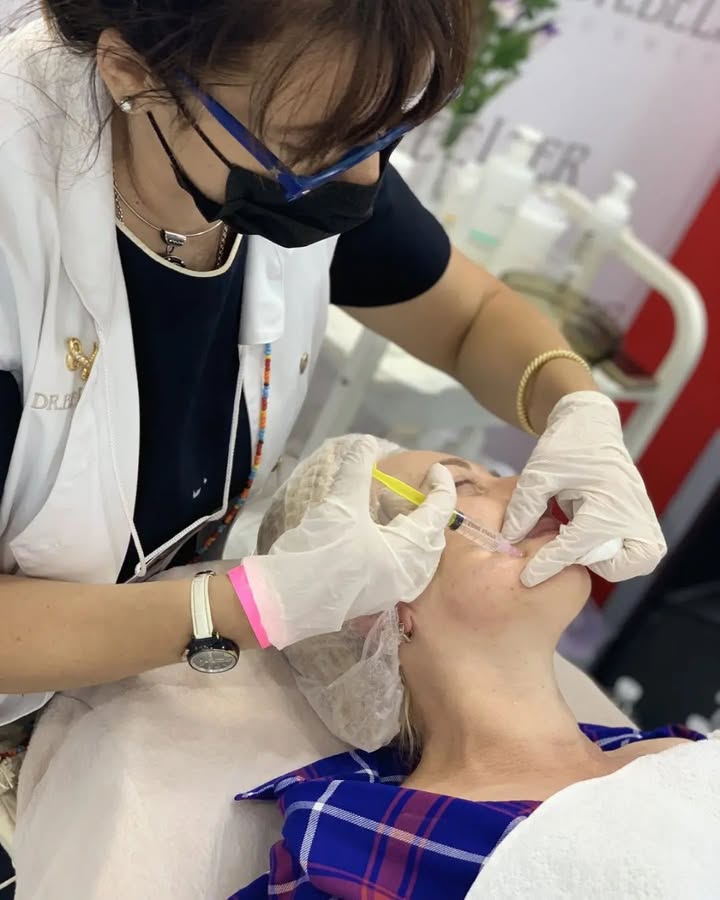

Facial cleansing can be manual, ultrasonic or combined, and these methods do not replace each other — they solve different problems. Your choice affects both the result and how comfortable the procedure feels. Here is how each type works, who it suits and why Biotonika prefers a combined approach.
Which facial cleansing to choose: the short answer
If your pores are deeply clogged and you have comedones or breakouts, you need a manual stage — deep congestion cannot be removed without it. If your skin is fairly clean and you want to refresh its texture, an ultrasonic cleansing is enough. Most often a combined cleansing works best: manual work only where it is unavoidable, ultrasound for the rest.
The final choice of method is made by a cosmetologist after examining your skin: skin type, age, number of comedones, inflammation and sensitivity all matter. That is why it is worth booking a cosmetologist consultation before your first cleansing — it will also show how many sessions you need and what home care should support them.
Manual cleansing: when you need it
Manual cleansing means removing the contents of the pores by hand: the cosmetologist uses fingers or special tools to clear sebaceous ducts of sebum plugs and comedones. It deals best with breakouts and oily shine, so it is recommended for oily and combination skin with deep congestion that a device alone cannot handle.
Manual cleansing has a downside. It is the most traumatic of the three methods: redness and marks are more likely afterwards, and the procedure itself can be uncomfortable. That is why it matters that it is done by a specialist who knows the indications, contraindications and correct technique — otherwise it is easy to damage the skin and end up with inflammation instead of clear pores.
Do not squeeze breakouts at home: without skin preparation, sterility and proper aftercare, the risk of inflammation and marks is much higher.
Ultrasonic cleansing: what the device does
Ultrasonic cleansing is a quick, non-traumatic hardware technique based on the action of ultrasound. The ultrasonic scrubber removes dead cells, finishes cleaning the pores and evens out skin texture and tone; afterwards the skin looks fresh and absorbs skincare better. The procedure is barely felt and needs no recovery time.
It is important to understand the method's limits. An ultrasonic scrubber does not "pull out" deep blackheads: it finishes the cleansing by removing dead cells and clearing the pores. Promises of a deep cleanse with a scrubber alone are a marketing trick — Larysa Lonchar explains this in detail in her article "Ultrasonic Skin Scrubber: Myths and Reality".
The scrubber does have another useful function — phonophoresis: ultrasound helps serums, emulsions and masks penetrate deeper. That is why ultrasonic cleansing is often used to prepare the skin for other treatments, making their effect more noticeable. More on what the procedure does is in the article "Ultrasonic Facial Cleansing: What Are the Benefits?".
Combined cleansing: why combine methods
A combined cleansing brings manual and ultrasonic cleansing together in one procedure. The cosmetologist cleans only the heavily congested areas by hand and treats the rest of the face with an ultrasonic scrubber. You get the depth of manual cleansing where it is truly needed and a gentle effect everywhere else, which means less redness afterwards.
This is how the facial cleansing at Biotonika works. It is not a stand-alone "manual" procedure but a 90-minute facial that combines cleansing with care:
- Preparation. The face is treated with products that work deeply but gently.
- Manual cleansing — only on heavily congested areas.
- Ultrasonic scrubber finishes cleaning the pores and removes dead cells.
- BioOxygen device. Products from the German brand DR.BELTER are delivered by needle-free mesotherapy, and microcurrents tone the facial muscles.
- Finish. Soothing products that minimise visible after-effects, and a professional mask for your skin type.
The advantage of this approach is less trauma than a standard manual cleansing and the ability to adjust the intensity to the individual skin. The procedure can be done at any time of year and at any age.
Comparing types of facial cleansing
Manual cleansing gives the deepest result but is the hardest on the skin. Ultrasonic cleansing is the gentlest but does not remove deep comedones. Combined cleansing brings together the strengths of both and keeps manual work to the necessary minimum. Below is a comparison by the main criteria: how each method works, whether it removes deep comedones, how it feels, what marks it leaves and who it suits.
| Criterion | Manual | Ultrasonic | Combined |
|---|---|---|---|
| How it works | fingers or tools clear sebum plugs from the pores | ultrasonic scrubber removes dead cells and finishes cleaning the pores | manual work only on heavily congested areas, then ultrasound |
| Deep comedones | yes | no, only finishing cleanse | yes, spot-treated |
| How it feels | can be uncomfortable | barely felt | more comfortable than manual |
| Marks afterwards | redness more frequent and longer-lasting | minimal | minimal, only on treated areas |
| Best for | oily skin, breakouts, deep congestion | fairly clean skin, refreshing texture, preparing for care | most skin types with both congestion and sensitive areas |
The table is a general guide. For your skin, the method, products and number of sessions are chosen by a cosmetologist.
Who facial cleansing is for and when to postpone it
A facial cleansing makes sense when the skin gets oily, pores are enlarged, there are comedones (blackheads) or breakouts, the tone is uneven and the texture rough. Normal and dry skin also need it from time to time. But there are conditions in which the procedure is postponed or replaced — the cosmetologist checks for them before starting.
Indications for cleansing listed by Biotonika:
- increased oiliness and enlarged pores;
- comedones, breakouts, acne lesions;
- uneven tone and texture, areas of thickened skin (keratosis);
- reduced skin tone, signs of ageing skin.
Cleansing is not done, or is postponed, in cases of cancer, decompensated diabetes and other chronic diseases during a flare-up, inflammation with fever, skin diseases (psoriasis, eczema, dermatitis, purulent lesions, herpes), the inflammatory form of acne, and allergy to any of the products used. If in doubt, tell your cosmetologist in advance.
How often to have a facial cleansing
For maintenance, a facial with cleansing is usually recommended about once a month. For oily, breakout-prone skin the cosmetologist may recommend more frequent sessions for a while, while some people need a cleansing only once every six months or even once a year. The main criterion is how quickly the pores become clogged again.
Skin gets dirty every day: sweat carries substances out of the body, dust sticks to oil and sweat, and sebaceous glands become blocked. Ordinary washing cannot fully cope with this. So cleansing is a regular, planned procedure, and a single visit will not "fix" your skin for good. Larysa Lonchar explains why in her articles on regular cleansing.
If you are getting ready for a celebration or an important event, plan the cleansing well ahead rather than the day before, so your skin has time to settle.
What to ask a cosmetologist before your first cleansing
Before your first cleansing, find out which method is being offered and why, how long the procedure takes, what the price includes and how to care for your skin afterwards. A good cosmetologist first examines your skin and asks about your health, and only then chooses the type of cleansing — not the other way round.
It helps to tell the cosmetologist in advance about:
- chronic conditions and any medication you take;
- allergies to cosmetic products;
- recurring cold sores and a tendency to inflammation;
- recent treatments (peels, injections, tanning).
These answers influence the choice of method and whether a cleansing is a good idea right now. If you are offered a one-size-fits-all procedure without a skin examination, that is a reason to ask a few more questions.
How much a facial cleansing costs at Biotonika
As of October 2026, a facial with cleansing at Biotonika costs UAH 2,500 for the comprehensive option and UAH 1,700 for the economy option; both take 90 minutes. A course of 5 sessions is 10% off. The procedure is performed by medical cosmetologist Larysa Lonchar.
When comparing prices between clinics, look not only at the amount but at what is included: a stand-alone one-hour manual cleansing and a 90-minute facial with ultrasound, device-assisted product delivery and a mask are different services. Current prices and what each option includes are on the "Facial cleansing" page.
Aftercare following a cleansing
After a cleansing the skin is fresh and more permeable, so it absorbs active ingredients better. This is used straight away in the treatment room: the procedure ends with a professional mask for your skin type — nourishing, soothing, purifying, toning or rejuvenating. Slight redness right after the procedure is a normal reaction, and after a combined cleansing it usually fades quickly.
Between visits, home care maintains the result. Properly chosen, it helps keep pores clear for longer and spares you painful cleansings. It should be chosen for your particular skin, not based on advertising: skin type, tendency to breakouts and sensitivity are assessed by the cosmetologist during an examination. We will cover what you can and should not do in the first days after a cleansing in a separate article.
Questions and answers
Which facial cleansing is better — manual or ultrasonic?
There is no universal best. Manual cleansing deals better with deep congestion and breakouts, while ultrasonic cleansing removes dead cells and finishes cleaning the pores more gently. That is why Biotonika does a combined cleansing: manual work only on heavily congested areas, the rest with an ultrasonic scrubber.
Does facial cleansing hurt?
Manual cleansing can be uncomfortable where congestion is deep. Ultrasonic cleansing is barely felt. A combined cleansing keeps manual work to a minimum, so it is more comfortable than a classic manual one.
How long does a facial cleansing take?
From 60 to 120 minutes depending on the skin. The facial with cleansing at Biotonika takes 90 minutes.
How often can I have a facial cleansing?
For maintenance, about once a month. For oily, breakout-prone skin the cosmetologist may recommend more frequent sessions for a while, while for some people once every six months is enough. The criterion is how quickly the pores become clogged again.
How much does a facial cleansing cost at Biotonika?
As of October 2026, a facial with cleansing costs UAH 2,500 (comprehensive) or UAH 1,700 (economy), both 90 minutes. A course of 5 sessions is 10% off. Current prices are on the procedure page.
Can I have a facial cleansing before a special occasion?
Yes, but not the day before — plan it in advance so your skin has time to calm down after the procedure.
Does an ultrasonic scrubber replace a full cleansing?
No. The scrubber removes dead cells and finishes cleaning the pores, but it does not remove deep comedones on its own. Promises of a deep cleanse with a scrubber alone are a marketing trick.