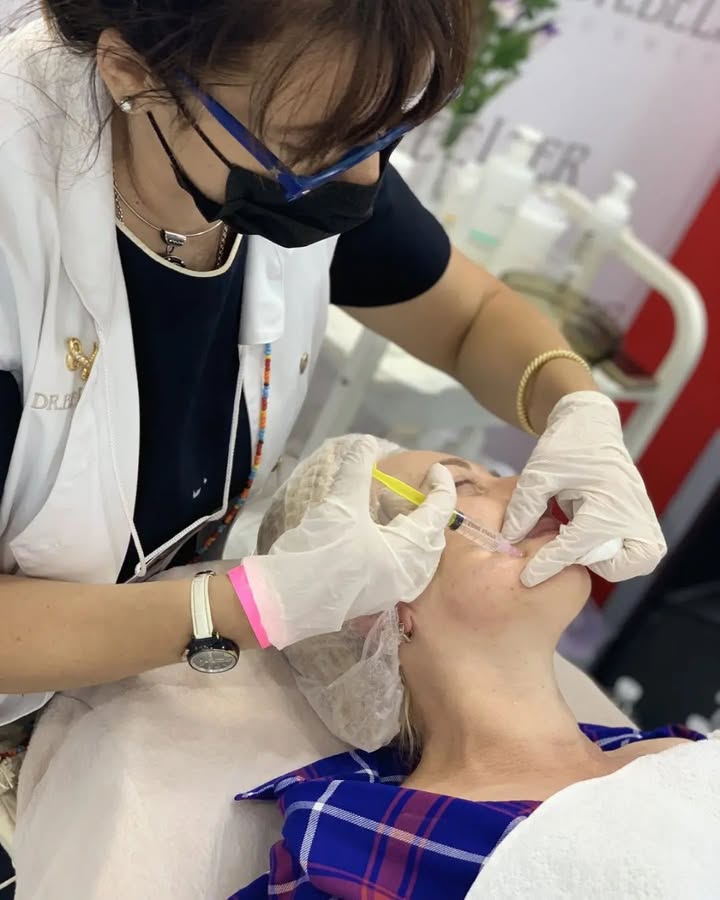
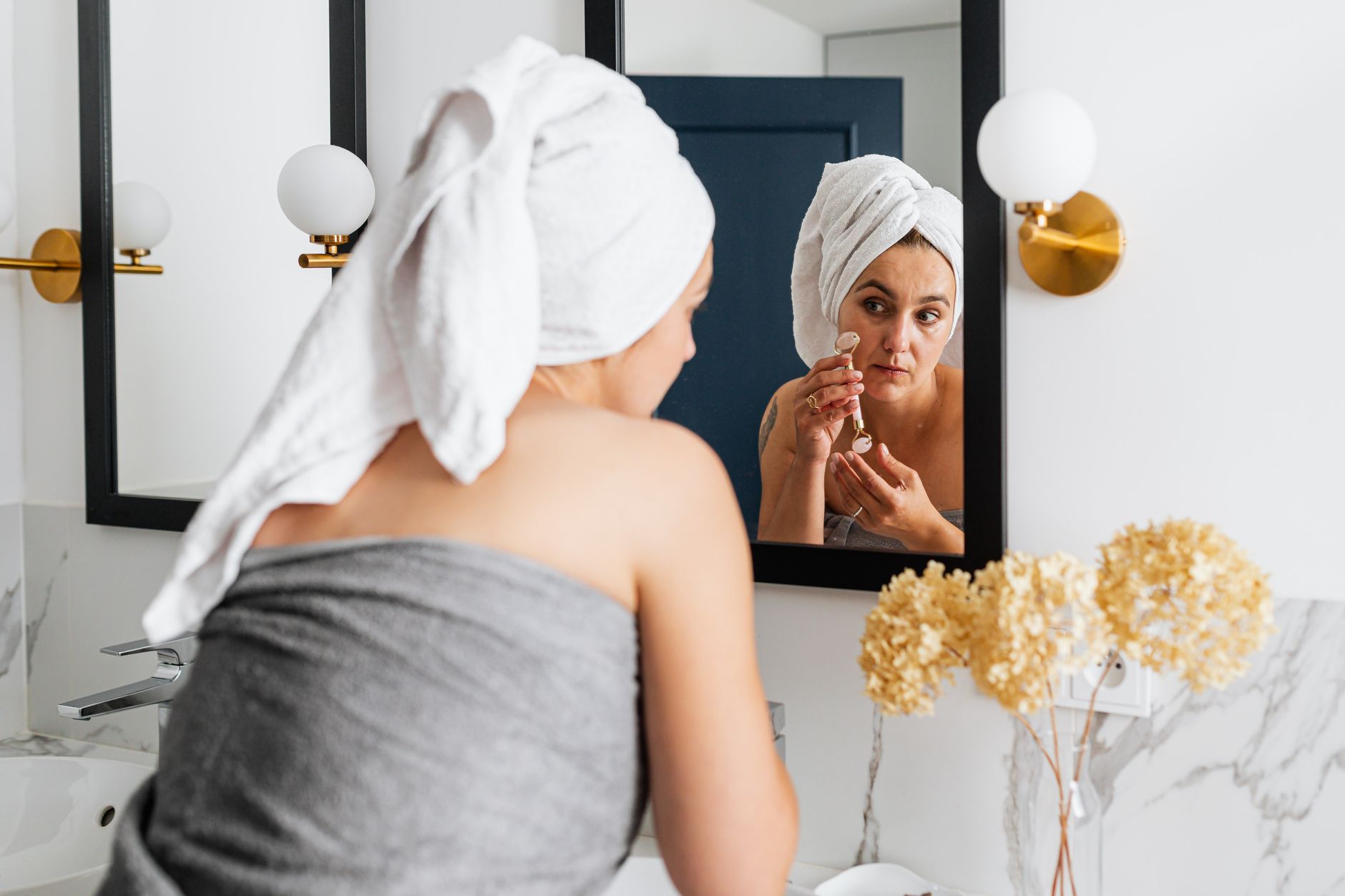
A facial cleansing and a peel both leave your skin more sensitive and permeable for a few days. How you look after it during the first week decides whether the result lasts or whether you end up dealing with irritation and pigmentation. Here is what to do and what to avoid after each procedure.
Why aftercare matters so much
After a cleansing or a peel, the skin is free of dead cells and impurities, so it absorbs active ingredients more readily — both beneficial and irritating ones. The protective barrier is thinner in the first days, and the skin reacts more strongly to sun, heat and friction. Good home care speeds recovery and locks in the result; poor care can undo it.
Larysa Lonchar stresses that proper home care after a peel is an essential step, not an optional extra: it speeds up the regeneration of the epithelium. The same goes for cleansing. The procedure removes impurities, but the skin stays clear longer only when home care chosen for that skin keeps working between visits.
The second rule is to follow your cosmetologist's advice. Procedures fail when people expect an instant miracle and then do the opposite at home. As Larysa puts it, treatment based on internet tips ends in complications that later have to be fixed.
How recovery differs after a cleansing and after a peel
After a cleansing, the skin recovers from mechanical work: mild redness and sensitivity are possible where the pores were cleaned. Recovery after a peel takes longer: the renewing effect shows on days 2–5, and the skin may flake and feel tight. That is why a peel comes with more restrictions, and sun protection is especially critical.
At Biotonika, a facial cleansing is a 90-minute treatment in which only heavily congested areas are cleaned manually and an ultrasonic scrubber does the rest. The procedure finishes with products that calm the skin and minimise visible traces, plus a mask for your skin type. Read more about the types of cleansing in “Facial Cleansing: Manual, Ultrasonic or Combined”.
A peel is controlled exfoliation, and its effect unfolds over several days after the visit. Before a peel, the skin is prepared with a special pre-peel cream and sometimes with homeomesotherapy or biorevitalization.
| After a facial cleansing | After a peel | |
|---|---|---|
| What happens to the skin | clean pores, mild redness, higher permeability | exfoliation, renewal on days 2–5, possible tightness and flaking |
| Main aim of aftercare | soothe, hydrate, keep pores from clogging again | restore the barrier, hydrate, protect from UV |
| Sun | avoid strong sun, use SPF | SPF is a must, no tanning |
| Scrubs, acids, retinol | wait until the cosmetologist allows | wait until the cosmetologist allows |
| Sauna, steam, hot water | better avoided in the first days | better avoided in the first days |
| How often | facials — about once a month | once every 14 days, course of 3–5, then a break |
| Price at Biotonika (October 2026) | UAH 1,700 / 2,500, 90 min | from UAH 1,300, ≈ 30 min |
Current prices are on the facial cleansing and facial peel pages.
What to do in the first days
In the first days after a procedure, your skin needs three things: gentle cleansing, hydration and protection. Wash with a mild cleanser free of harsh ingredients, use the soothing and moisturising products your cosmetologist recommended, and apply sunscreen every morning. Nothing else needs to be “added” in these days — the skin recovers on its own.
What helps the skin recover:
- Gentle washing. Use warm, not hot, water and a mild cleanser without scrubbing particles. Pat your face dry instead of rubbing it with a towel.
- Products prescribed by your cosmetologist. After a procedure the skin is more permeable, so this is when it best absorbs moisturising and restoring products. But it should be care chosen for your skin, not a random jar.
- Hydration. After a peel the skin often feels tight, and moisturising care makes recovery more comfortable.
- Sun protection. It gets its own section below because it is the most common mistake.
- Clean hands and a clean pillowcase. The fewer bacteria and dirt on your face, the smoother the recovery after a cleansing.
Professional masks for your skin type — nourishing, soothing, moisturising — enhance and consolidate the result of a cleansing. They are done in the treatment room, and for home use the cosmetologist can choose gentle products. For instance, Larysa Lonchar uses German Dr.Belter cosmeceuticals for home care; what goes into the set depends on the condition of your skin.
What not to do after a cleansing or a peel
The main don'ts for the first days: do not squeeze breakouts or pick at flakes, do not steam your skin (sauna, bathhouse, hot bath), do not go into strong sun without protection, do not use scrubs, acids or retinol without your cosmetologist's approval, and do not book yourself new procedures. All of this increases irritation and can leave pigmentation.
More on each don't:
- Squeezing and picking. Interfering with skin that is already recovering injures it and can leave marks or small scars. Flakes after a peel should come off on their own.
- Steaming the skin. A sauna, bathhouse, hot shower or pool in the first days is an extra burden for sensitive skin.
- Tanning. Sun, sunbeds and any long time outdoors without SPF after acids are a direct route to pigmentation.
- Scrubs, acids, retinol. These products exfoliate and irritate. Bring them back only when your cosmetologist says so.
- Experimenting with new products. The first week is not the time to test a new cream recommended by a blogger.
- Prescribing yourself another peel. Larysa Lonchar's request is simple: do not prescribe peels for yourself and do not use untested products.
If redness does not fade, or you notice strong burning, swelling or a rash, do not treat it yourself — contact the cosmetologist who did the procedure.
Sun protection after procedures — even in winter
After peels and acids, the skin needs protection from the sun; otherwise pigmentation may appear. This applies in any season, because some types of UV rays are active all year. Check the UV index: at 3 or above, apply sunscreen 30 minutes before leaving home and choose protection against both UVA and UVB.
Biotonika's older materials already listed this among the essential sun rules: do not expose your skin to the sun after using products with active ingredients such as retinol and fruit acids. After a professional peel, that rule applies all the more.
Practical reminders:
- sunscreen is the last step of your morning routine;
- wait 15 minutes before applying makeup so the cream can absorb;
- in strong sun, reapply every three hours and after any contact with water.
How exactly to apply SPF and what the labels on the pack mean is explained in “How to Apply Sunscreen Correctly”.
When to return to your usual routine and next procedures
Return to your usual routine once the skin has calmed down: the redness, tightness and flaking are gone. Active products — acids, retinol, scrubs — come back last and only with your cosmetologist's approval. Plan the next procedure on schedule: facials with cleansing about once a month, peels once every 14 days in a course of 3–5 sessions.
A cleansing prepares the skin for further procedures, making their effect more visible and longer-lasting. That is why a cosmetologist often builds a programme step by step — first cleansing, then procedures that hydrate and restore. If you are planning a cleansing before a celebration or an important event, book it well in advance rather than the day before: your skin needs time to settle.
Do not try to “speed up” results with more frequent procedures. A course of peels needs a break afterwards, and cleansing too often injures the skin. Consistency and sensible home care achieve more than intensity.
How to choose home care after a procedure
The easiest way is to ask about home care right at the procedure: the cosmetologist sees how your skin reacted and will suggest products for the recovery period and for every day. If you cannot come in, home care can be chosen in an online consultation. Choosing active products on your own after a peel is not a good idea.
At a consultation with Larysa Lonchar, your current home routine is reviewed — it helps to bring photos of the products you use — along with previous procedures and how your skin responded. The consultation is free when you book a procedure.
If you would like a set of products delivered home, there is a separate “Dr.Belter Home Care” page: you describe your needs and the cosmetologist chooses care for your skin. That way the products you use after a cleansing or peel are not random and do not spoil the result of the procedure.
Questions and answers
What should I avoid after a facial cleansing?
For the first few days, avoid touching your face and squeezing breakouts, skip the sauna, the pool and strong sun, and put scrubs and acid products aside. Your skin is more permeable and sensitive at this point, so aftercare should be gentle and soothing.
What should I avoid after a peel?
After a peel, do not go out in the sun without sunscreen, do not pick at flaking skin, do not use scrubs, retinol or acids unless your cosmetologist allows it, and avoid steaming your skin. Home products for the recovery period are chosen by the cosmetologist for your particular skin.
How long does skin stay red after a facial cleansing?
Mild redness right after the procedure is a normal skin reaction. At Biotonika the cleansing is combined: only heavily congested areas are cleaned manually and an ultrasonic scrubber does the rest, so there are fewer visible traces. If the redness does not fade or gets worse, call your cosmetologist.
When will I see the results of a peel?
The renewing effect of a peel shows on days 2–5 after the procedure. Those are exactly the days when your skin needs proper home care most: it speeds up recovery and helps the result last.
Do I need sunscreen after a peel in winter?
Yes. Some types of UV rays are active all year round, and after peels and acids the skin is especially vulnerable — without protection, pigmentation may appear. Check the UV index and apply sunscreen 30 minutes before going out.
When can I wear makeup after a facial cleansing?
It is better to give your skin a break from makeup at least until the next day. The exact timing depends on how your skin reacted, and the cosmetologist who performed the cleansing will tell you.
How often can I have a cleansing and a peel?
At Biotonika, facials with cleansing are recommended about once a month. Larysa Lonchar advises having a peel once every 14 days, in a course of no more than 3–5 sessions, followed by a break.