Body massage is not one procedure but several techniques with different goals. Classic massage works with muscles and tension, lymphatic drainage with swelling, and anti-cellulite massage with the skin on the thighs, buttocks and abdomen. Here is how they differ, who each one suits and what you can book at Biotonika.
How body massage types differ: the short answer
Body massage types differ in pressure, direction of movement and purpose. Classic massage uses four basic strokes for the muscles: to release tension and improve circulation and tone. Lymphatic drainage uses light, slow movements along the flow of lymph to reduce swelling. Anti-cellulite massage is intense local work on problem areas, best combined with other procedures.
The choice depends not on the name but on what bothers you. If your back aches and your shoulders feel like stone, choose classic or back massage. If your legs swell by evening and your body feels heavy, choose lymphatic drainage. If you want smoother skin on your thighs, anti-cellulite techniques help, but only together with diet and exercise. And if you simply want to relax, choose classic massage or stone therapy.
Classic body massage: the basis of every technique
Classic, or full, body massage covers the whole body with four basic strokes: stroking, rubbing, kneading and vibration. It relieves pain and tension in muscles and joints, improves circulation and the work of the lymphatic system, and helps you relax. At Biotonika a full body massage lasts from 60 minutes.
Classic massage follows a strict sequence and always begins by warming the body up. The therapist works with cream, oil, lotion or stones, choosing the product to suit the format and your goal.
People choose this massage to support overall health, release tension and restore tone. After a course the skin becomes smoother and firmer. Classic massage is often combined with other body-shaping procedures, such as pressotherapy, body wraps and slimming massage.
Classic massage has two narrower formats:
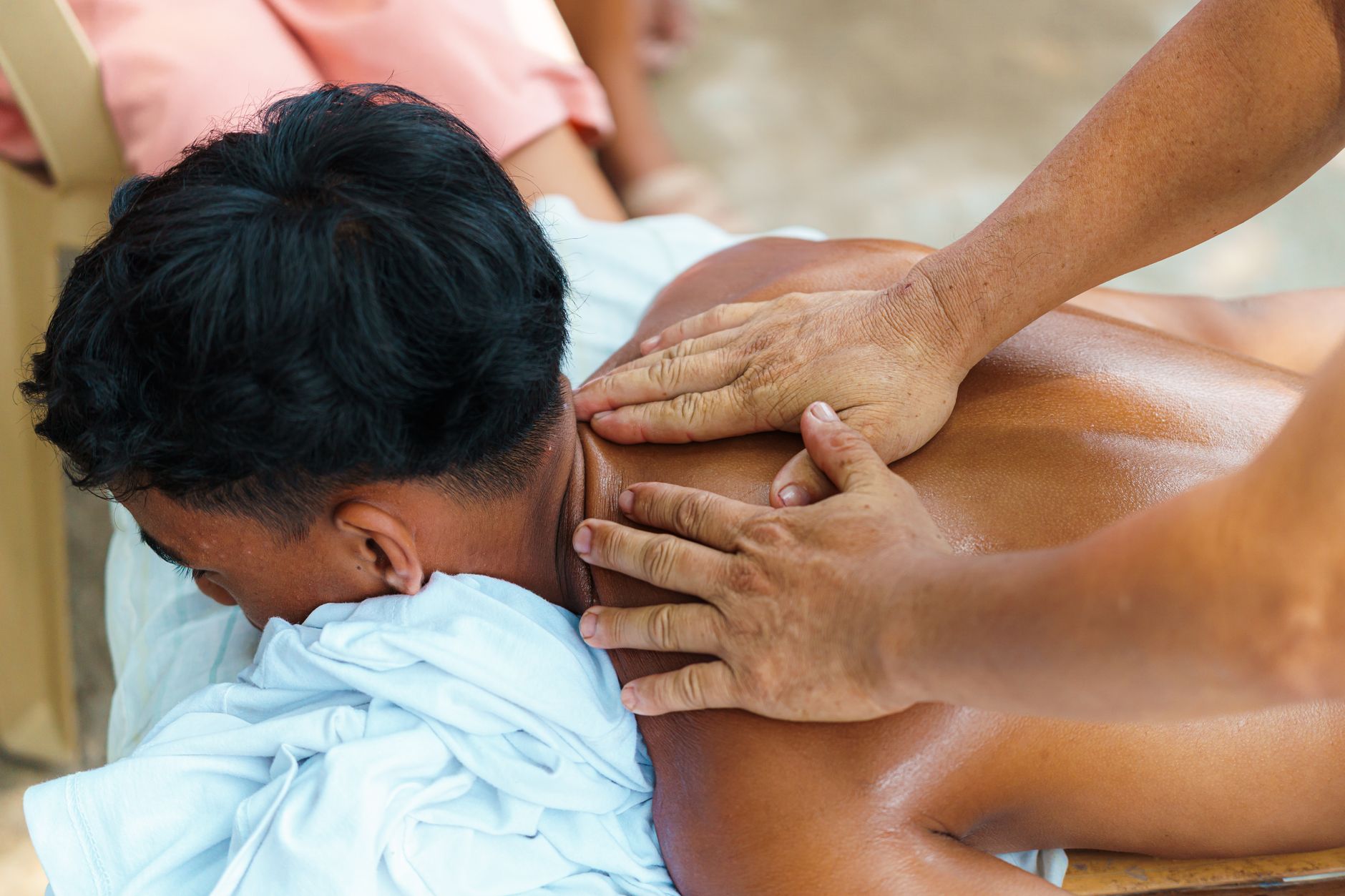
- Back massage. It works on the muscles of the neck and shoulders, the shoulder-blade area, the lower back and the oblique muscles. Traditionally it has been prescribed as a preventive procedure for spine problems, and today it is also used to relieve muscle strain. It suits men and women alike and lasts 30–40 minutes.
- Massage with stone therapy. A variety of classic massage with hot and cold stones. The warmth of the stones heats the muscle tissue and helps you relax and reduce stress. A session lasts from 40 minutes to an hour.
Tension in the neck and shoulders shows not only in how you feel but also in your face: the blood supply to the face passes through the neck, so puffiness and a dull complexion appear. A back massage that covers the neck and shoulders is a good way to release that tension.
Lymphatic drainage massage: when swelling is the main issue
Lymphatic drainage massage is a gentle technique with light, rhythmic movements that follow the flow of lymph. Its aim is to help drain interstitial fluid and reduce swelling and heaviness. Unlike classic massage, it involves no deep kneading: the pressure is light, the pace slow, and the direction of movement matters more than force.
The lymphatic system moves in only one direction — upwards, from the fingertips to the thoracic duct. That is why lymphatic drainage movements always go from the periphery to the centre: from the feet to the groin, and from the fingers to the collarbone, where lymph enters the subclavian vein. Massaging against the flow does not work here. Read more about the lymphatic system in Larysa Lonchar's article Lymph — the Living Water of Our Body.
People choose lymphatic drainage when:
- their legs swell by evening and feel heavy;
- the body seems to retain water, especially with a desk job;
- they want a gentle procedure without strong pressure.
Special forms of massage are particularly effective for reducing swelling, including those using geranium, juniper and rosemary essential oils. At home, a bath with essential oils followed by dry brushing in the same direction, from the fingers to the collarbone, enhances the drainage effect.
Biotonika's price list does not include a separate lymphatic drainage body massage. The massage is chosen at the consultation, where the specialist decides which techniques and format you need.
Anti-cellulite massage: intense and part of a combined approach
Anti-cellulite massage is an intense local technique for the thighs, buttocks, abdomen and arms: deep kneading, rubbing and sometimes vacuum cups. It boosts circulation in problem areas and improves the skin. But cellulite has several causes, so without diet, exercise and home care massage alone does not guarantee a result.
Cellulite is not simply "fat under the skin". Bioregulatory medicine sees it as a result of drainage, circulatory, immune and hormonal disturbances — a problem of the whole body, not just the thighs. That is why Biotonika takes a combined approach to cellulite, with a dedicated master class for cosmetologists and doctors, Cellulite in Integrative Medicine.
What to know before an anti-cellulite massage:
- it feels stronger than classic massage, and the skin may redden after the first sessions;
- it is done as a course, not a single session;
- it works best together with other procedures, such as pressotherapy and body wraps, and with regular exercise.
Anti-cellulite massage is not listed as a separate procedure in Biotonika's price list. If your goal is body shaping, the consultation will suggest a combination of classic massage and other methods.
Comparing body massage types
The main differences between massage types are pressure and purpose. Classic massage uses medium pressure on the whole body for muscles and relaxation. Lymphatic drainage is the lightest, strictly following the flow of lymph. Anti-cellulite massage is the most intense and local. Stone therapy uses warm stones for deep relaxation. Back massage applies classic strokes to the neck, shoulders and lower back.
| Massage type | Pressure and strokes | Purpose | Areas | At Biotonika |
|---|---|---|---|---|
| Classic (full body) | medium; stroking, rubbing, kneading, vibration | tension, tone, circulation, relaxation | whole body | from 60 min, 1,400 UAH (October 2026) |
| Back massage | medium; classic strokes | muscle knots, strain on the spine and muscles | neck, shoulders, shoulder blades, lower back | 30–40 min |
| Stone therapy | hot and cold stones | deep relaxation, stress, warming the muscles | body | 40 min to an hour |
| Lymphatic drainage | light, slow, following the lymph flow | swelling, heavy legs | legs, arms, body | not a separate item — discussed at the consultation |
| Anti-cellulite | intense; deep kneading, rubbing | skin condition in problem areas | thighs, buttocks, abdomen, arms | not a separate item — as part of a combination |
The full body massage price is as of October 2026; check the current one on the Body Massage page.
When to postpone a body massage
Postpone a body massage if you have a fever or acute infection, inflammation, rashes or wounds on the skin in the massage area, or a flare-up of a chronic illness. Varicose veins, thrombosis, high blood pressure, pregnancy, cancer and cardiovascular disease are all reasons to tell the specialist in advance: the decision is made individually.
Intense techniques have more restrictions than classic massage. Anti-cellulite massage with deep kneading is not done over areas with pronounced spider veins or varicose veins. Lymphatic drainage is gentler, but it also calls for caution with heart and kidney disease.
Before your first session, it helps to tell the specialist:
- Which chronic conditions you have and which medicines you take.
- Whether you might be pregnant.
- Which procedures you have had recently — injections, device treatments, body peels.
- What exactly bothers you: pain, swelling, skin condition or stress.
How to keep the result between sessions
Massage gives the best result when your body also gets attention between sessions. Home body peeling, dry brushing in an upward direction, baths with essential oils, regular exercise and a healthy diet all help. Massage is part of a system, not a substitute for training, and without work at home the effect does not last long.
- Peeling at home. The Dr.Belter Cosmetic oriental peeling mitt removes dead skin cells without abrasive particles and stimulates circulation. Move from the legs upwards, towards the heart.
- Dry brush. After a bath, brush your body from the fingers towards the collarbone, following the flow of lymph.
- Exercise and diet. A healthy diet, regular training and massage together improve overall health and the work of the internal organs. You can get an individual training and nutrition plan at a consultation with fitness trainer Stevan Lonchar.
How to choose your massage
Start by asking what bothers you. Back pain and knots call for a back or classic massage. Fatigue and stress call for classic massage or stone therapy. Swelling calls for lymphatic drainage techniques. Skin on the thighs calls for a combination of massage, exercise and diet. If you are unsure, decide together with the specialist at the consultation.
At a Biotonika consultation, the cosmetic doctor will choose the right massage and number of sessions, answer your questions and give you an idea of the total cost. After a consultation, the first procedure is 10% off. You can book by the phone number shown on the Body Massage page.
Questions and answers
How is lymphatic drainage massage different from classic massage?
Classic massage works with the muscles: stroking, rubbing, kneading and vibration relieve tension and improve circulation. Lymphatic drainage is light and slow, with movements following the flow of lymph from the periphery towards the lymph nodes. Its aim is swelling and a feeling of heaviness, not deep muscle work.
Does anti-cellulite massage get rid of cellulite?
Massage improves circulation and skin condition, making the skin smoother and firmer. But cellulite has several causes — circulatory, hormonal, dietary — so massage alone, without nutrition, exercise and home care, does not guarantee a result. It works best as part of a combined approach.
How long is a body massage at Biotonika?
A full classic body massage lasts from 60 minutes. A back massage takes 30–40 minutes, and a session with stone therapy lasts from 40 minutes to an hour.
How much does a body massage cost?
As of October 2026, a 60-minute full body massage at Biotonika costs 1,400 UAH. Check the current price on the Body Massage page; after a consultation, the first procedure is 10% off.
How many massage sessions do I need?
There is no fixed number. You feel relaxed after the first session, while visible changes in the skin and swelling come with a course. The specialist chooses the number of sessions and the intervals between them at the consultation, based on your goal and condition.
When should I postpone a body massage?
With a fever or acute infection, inflammation, rashes or wounds on the skin in the massage area, and during a flare-up of a chronic illness. Tell the specialist before the session about varicose veins, blood pressure, pregnancy, cancer or cardiovascular disease — the decision is made at the consultation.
What should I do between sessions to keep the result?
Exfoliate your body at home, for example with a peeling mitt, brush your body with a dry brush after a bath in an upward direction, move more and watch your diet. A fitness trainer can put together a training and nutrition plan.