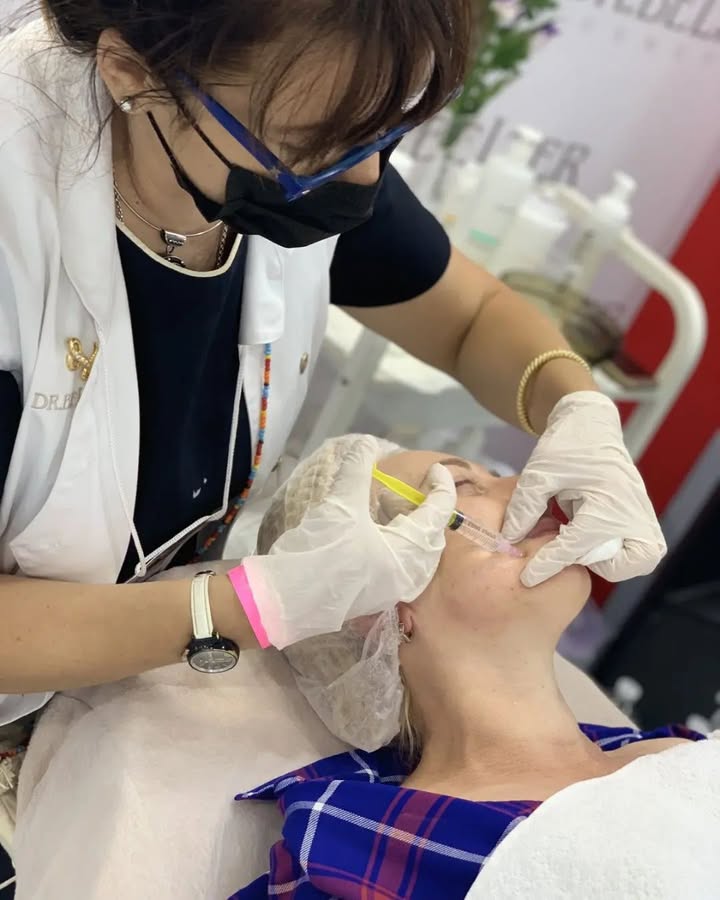
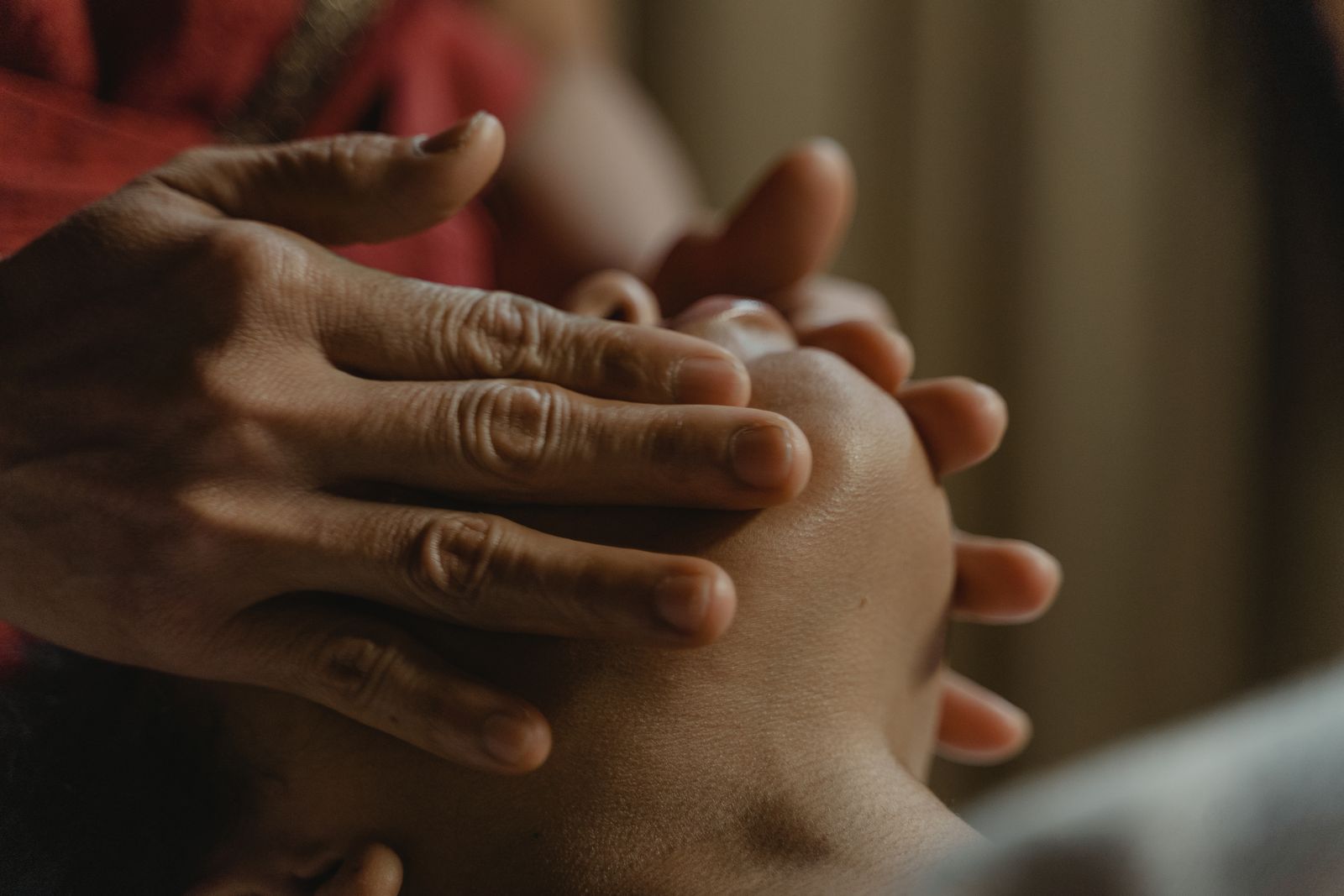
Facial massage is not a single procedure but several methods that differ in technique, intensity and purpose. Classic massage tones and relaxes, plastic and sculpting massage work deeper on the muscles, and Spanish chiromassage combines manual therapy, lymphatic drainage and relaxation techniques. Here is how they differ and how to choose yours.
Which facial massage to choose: the short answer
If you want regular care, tone and a chance to rest, start with a classic massage. If your face looks tired, the jawline is losing definition, there is puffiness and your neck feels tense, consider Spanish chiromassage. Plastic and sculpting massages are more intense; whether you need them is for a cosmetologist to decide after an examination.
The most common mistake is to choose a massage by its name or a friend's advice. Faces age in different ways, and the type of ageing determines which technique will work. That is why it makes sense to book a consultation first: the cosmetologist assesses your skin, muscle tone and any contraindications, then picks the type of massage and the number of sessions.
Classic facial massage: tone and relaxation
Classic massage is a manual technique of stroking, rubbing, kneading and vibration along the massage lines of the face. It boosts circulation, tones the facial muscles and helps release muscle tension. It suits most people without contraindications as regular care, including those having a facial massage for the first time.
Facial muscles, like the muscles of the body, need a workout. During a massage the tissues receive more oxygen-rich blood, metabolic processes speed up, and lymphatic drainage helps reduce puffiness. Frowning is a special case: the muscles between the brows freeze in tension, and over time a crease turns into a deep wrinkle. Massage helps relax that tension.
The page for classic facial massage at Biotonika lists these indications, among others:
- expression lines and crow's feet;
- puffiness;
- reduced skin firmness and elasticity;
- a less defined jawline, a double chin;
- a dull, uneven complexion.
A session lasts from 30 minutes. More about the procedure, indications and price on the Classic facial massage page.
Plastic massage: deeper work on the muscles
Plastic massage is more intense than classic: deeper, more rhythmic movements focused on muscle tone and a defined facial contour. It is usually chosen once the muscles have lost tone and the first signs of sagging appear. Because of its intensity, have a cosmetologist assess you first and avoid a first session right before a big event.
One well-known version of plastic rejuvenating massage is the Toff method. Its author, the Dutch plastic surgeon Heinrich Joseph Toff, designed it as a non-surgical option for women aged 30–40 who were not yet candidates for surgery. The movements follow the muscle fibres, and the method combines work on the muscles, blood vessels and the cervical spine with deep relaxation. Biotonika has trained cosmetologists in this method — see the article about Toff massage training.
Plastic massage is part of a cosmetologist's professional training: it is included in the basic and hardware cosmetology course alongside cosmetic massage, collar-zone massage, Jacquet massage and head massage.
Sculpting massage: intensive work on the muscles
Sculpting massage is the name for a deep facial massage with intensive work on the muscles and ligaments. Its aim is to emphasise the facial contours and release deep muscle spasms. It is one of the most intense techniques and can be uncomfortable, so it is not for a first massage or thin, sensitive skin.
The name "sculpting" does not belong to a single school: different practitioners put different techniques under it. So when you see it on a price list, ask what exactly the procedure includes, how long a session takes and how it differs from plastic massage.
If your goal is a more defined jawline and better tone, a cosmetologist may suggest a gentler route: a course of classic or Spanish massage combined with skincare and facial exercises at home. A more intense technique is not always better; what matters is how your skin and muscles respond to it.
Spanish chiromassage: face, neck and décolleté
Spanish facial massage, or chiromassage, is a manual method that combines techniques from manual therapy, kinesiology and chiropractic. It covers the face, neck and décolleté and includes neurosedative, muscular and lymphatic drainage massage. It is chosen when tone, puffiness, a tired look and deep relaxation are the priorities.
"Chiro" comes from the word for "hand": the work is done mainly with the hands. The method goes back to a technique proposed in 1913 by the Spanish physician V. L. Ferrandis, and the modern comprehensive method was developed at the end of the 20th century by Professor of Medicine Enrique Castells García.
The main difference from classic massage is the variety of techniques. Spanish massage uses more than 100 kneading techniques, and movements are rarely repeated. The practitioner works with the fingers, palms and sometimes the elbows, combining smooth strokes, light tapping and wave-like lymphatic drainage movements.
How a session goes:
- Make-up is removed and the skin is cleansed.
- The cosmetologist applies massage oil and works on the neck, décolleté, lower third of the face, nasolabial area and temples.
- At the end the oil is removed and, if you wish, a mask for your skin type is applied.
You can return to your day straight after the session. More on the Spanish facial massage (chiromassage) page.
Facial massage types compared
The main differences are intensity, the area worked on and the goal. Classic massage is the gentlest and most versatile, chiromassage also covers the neck and décolleté and combines relaxation with lymphatic drainage, while plastic and sculpting massage work deeper on the muscles. Prices below are for the procedures on Biotonika's price list.
| Classic | Plastic | Sculpting | Spanish chiromassage | |
|---|---|---|---|---|
| Technique | stroking, rubbing, kneading, vibration | deep rhythmic movements, focus on muscles | deep work on muscles and ligaments | 100+ kneading techniques, lymphatic drainage, neurosedative techniques |
| Intensity | gentle to moderate | high | very high | moderate to high |
| Area | face | face, neck, décolleté | face | face, neck, décolleté |
| Chosen for | tone, puffiness, relaxation | loss of tone, first signs of sagging | facial contours, deep tension | tired look, puffiness, tone, relaxation |
| Session at Biotonika | from 30 min, UAH 900 | — | — | 60 min, UAH 1,200 |
Prices are as of October 2026; current prices are on the procedure pages.
How to choose a massage for your type of ageing
The right massage depends on how your face ages. With the deformation type (double chin, under-eye bags, heavy eyelids), lymphatic drainage and tone matter most. With the tired type (drooping corners of the mouth, nasolabial folds, loss of tone), toning massages help. A cosmetologist will identify your ageing type more accurately during an examination.
Larysa Lonchar describes several types of skin ageing, each with its own skincare priorities. The deformation type can be seen even in young women: there are no fine lines, but the skin is pulled down by the weight of the subcutaneous fat layer. Besides massage, hardware treatments, bio- and mesotherapy help here. More in the article Types of skin ageing: how to tell yours and what to do.
A few more pointers for your conversation with the cosmetologist:
- Your first massage — start with a classic one to see how your skin responds.
- Tension in the neck and shoulders — look at techniques that include the neck and décolleté, such as Spanish chiromassage.
- Goal: relaxation and rest — classic and Spanish massage are both suitable; intense techniques are not needed.
Contraindications: when to postpone a massage
Facial massage is not done when there is inflammation on the skin, including allergic rashes, with wounds and cracks, herpes, psoriasis, couperose or high blood pressure — these are the contraindications listed for classic massage. For other techniques, a cosmetologist sets the list after an examination and a conversation about your health.
Intense techniques have more restrictions than gentle ones: the deeper the work, the more carefully the cosmetologist considers the state of the blood vessels, the skin and your general well-being. If you are pregnant, have recently had injectable treatments or take medication, mention it at the consultation. Massage is a cosmetic procedure, not a treatment for disease; if you have health complaints, see a doctor first.
How many sessions you need and how to keep the results
Facial massage has a cumulative effect, so it is done as a course. For Spanish chiromassage, 5 to 15 sessions are usually recommended, although changes are visible after the first one. The number and frequency of classic massage sessions are set individually by the cosmetologist, based on your skin and your goal.
Between sessions, three simple habits help keep the results:
- Facial exercises — 5–7 minutes a day, preferably in the morning, on cleansed skin with a cream. A set of exercises is in the article Facial fitness.
- Posture. The blood supply to the face passes through the neck: tension in the shoulders slows both drainage and inflow. More in the article Posture and facial beauty.
- Sun protection. In summer, apply an SPF cream after a massage before going outside.
If you are not sure where to start, book a consultation with cosmetologist Larysa Lonchar: she will choose the massage and the number of sessions, answer your questions and give you an idea of the total cost.
Questions and answers
Which facial massage is the best?
There is no universal best. Classic massage works as regular care and for relaxation; Spanish chiromassage suits deeper work on the tone of the face, neck and décolleté. Plastic and sculpting massages are more intense, and a cosmetologist decides whether you need them after examining your skin.
How long does a facial massage take?
A classic facial massage at Biotonika takes from 30 minutes, a Spanish chiromassage about an hour. The exact time depends on the programme your cosmetologist puts together.
How many facial massage sessions do I need?
For Spanish massage, 5 to 15 sessions are usually recommended, although changes are visible after the first one. The number of classic massage sessions is set at the consultation, based on your skin and your goal.
Can I have a facial massage if I have couperose?
Couperose is listed among the contraindications to classic massage. Whether another type of massage is possible in that case is decided by a cosmetologist after an examination.
Is there any downtime after a facial massage?
After a classic or Spanish massage you can go straight back to your day. In summer, apply an SPF cream before going outside.
How can I keep the results at home?
Facial exercises help between sessions: 5–7 minutes a day on cleansed skin with a cream. Posture matters too: tension in the neck and shoulders slows drainage from the face.